
Which Industries Recover Biogas from Wastewater? Sector-by-Sector Breakdown
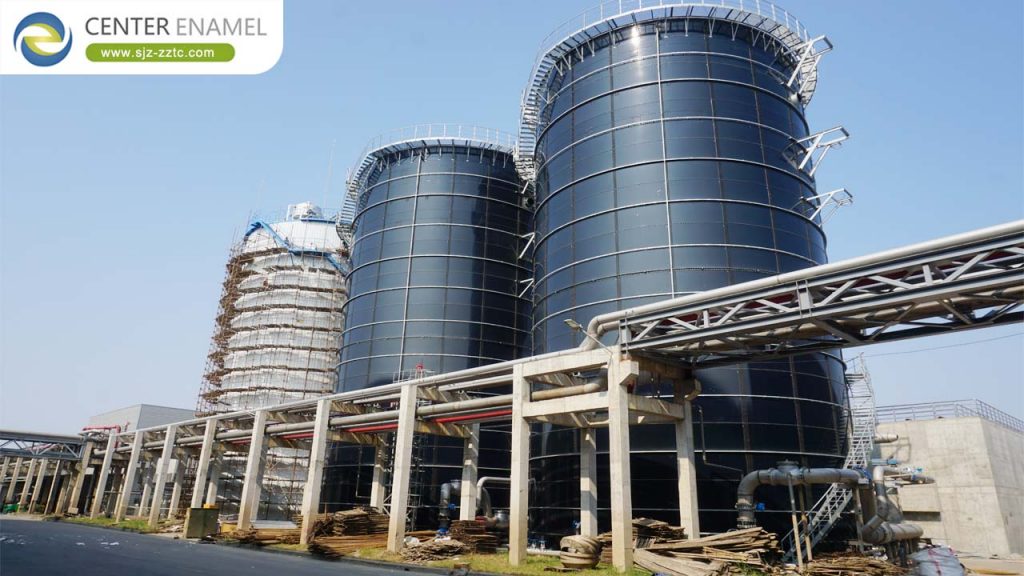
Industries that generate high-strength organic wastewater—breweries, dairies, food processors, pulp and paper mills, palm oil mills, slaughterhouses, and distilleries—are the leading sectors recovering biogas from wastewater. They pair naturally with anaerobic reactors because their effluent is concentrated enough to yield net energy, often covering 30–100% of the plant’s own power or heat demand.
Comparative Data Table: Biogas Recovery by Industry
| Industry | Typical COD (mg/L) | Biogas Use | Energy Self-Sufficiency |
| Brewery | 3,000–10,000 | Boiler / CHP | 40–80% |
| Dairy | 2,000–8,000 | CHP | 30–70% |
| Food processing | 5,000–50,000 | CHP / boiler | 50–100% |
| Pulp & paper | 5,000–30,000 | Power / steam | 30–60% |
| Palm oil (POME) | 25,000–70,000 | CHP / covered lagoon | 60–100% |
| Slaughterhouse | 2,000–6,000 | Boiler | 30–60% |
| Distillery | 40,000–100,000 | CHP | 70–100% |
Breweries and Beverages: The Classic Case
Breweries were among the first to adopt UASB treatment because their warm, sugar- and alcohol-rich wastewater digests easily and the biogas offsets 40–80% of steam for brewhouse heating. Many modern breweries now run CHP on the gas, cutting both energy bills and effluent-disposal costs in one move.
Food Processing: The Volume Play
Fruit, vegetable, starch, and confectionery processors generate large volumes of medium-to-high COD wastewater with seasonal peaks. Anaerobic lagoons or UASB/EGSB reactors recover enough biogas to cover 50–100% of site energy; co-digesting off-spec product and washwater smooths the load and lifts yield.
Pulp, Paper, and Palm Oil: The Heavyweights
These are the highest-load sectors. Palm oil mill effluent (POME) at 25,000–70,000 mg/L and pulp liquors at 5,000–30,000 mg/L feed covered lagoons or anaerobic ponds that can supply 60–100% of a mill’s steam and power. Distilleries (40,000–100,000 mg/L) are similarly energy-rich, often exporting surplus electricity.
Frequently Asked Questions (FAQ)
Q1: Which industries use anaerobic digestion for wastewater?
A: Breweries, dairies, food processors, pulp and paper mills, palm oil mills, slaughterhouses, and distilleries. All produce high-strength organic effluent concentrated enough for anaerobic digestion to yield net energy rather than just consume it.
Q2: Do breweries recover biogas?
A: Yes, routinely. Brewery wastewater is warm and sugar-rich, so UASB or EGSB reactors convert it efficiently. The biogas typically offsets 40–80% of brewhouse steam demand, and CHP setups cut both energy and disposal costs.
Q3: Is biogas recovery common in the food industry?
A: Increasingly so. Food processors with COD above ~2,000 mg/L are strong candidates, and many now recover 50–100% of site energy from wastewater. Seasonal peaks are managed by co-digesting off-spec product and washwater.
Q4: Which industry produces the most biogas from wastewater?
A: By concentration, distilleries (40,000–100,000 mg/L COD) and palm oil mills (25,000–70,000 mg/L POME) lead, often reaching 70–100% energy self-sufficiency. By total volume, large-scale food processing and pulp and paper dominate overall biogas output.