
Which Industry Produces the Most Biogas From Wastewater?
The industries that produce the most biogas from wastewater are food and beverage processing and palm-oil milling, because they generate the largest combined volume of high-strength organic effluent. By sheer COD load, palm-oil mill effluent (POME) and broad food processing top the list; by consistency and ease of treatment, dairies and breweries are the most reliable, steady contributors.
Ranking by Biogas Potential
Biogas output scales with the total biodegradable COD discharged per day, not just concentration. A palm-oil mill can exceed 60,000 mg/L COD but runs seasonally; a dairy or brewery runs a lower 5,000–30,000 mg/L yet operates around the clock. The table ranks sectors by realistic annual biogas contribution.
| Sector | COD band (mg/L) | Biogas contribution profile |
| Palm-oil milling (POME) | 40,000–65,000 | highest per m³, seasonal |
| Food processing (broad) | 2,000–15,000 | largest total volume |
| Dairy / cheese | 5,000–30,000 | steady, high-yield |
| Brewery / distillery | 10,000–30,000 | steady, high BOD |
| Slaughterhouse | 3,000–20,000 | moderate, fatty |
| Livestock manure | 20,000–60,000 | huge but slurry, not WW |
Why Food and Palm-Oil Streams Lead
Both concentrate organics as a by-product of extracting value from biomass—sugars, proteins, and fats left in the water. Anaerobic digestion recovers roughly 0.30–0.45 m³ of biogas per kg of COD removed (about 60% methane), so the more COD a sector discharges, the more methane is available. Palm oil wins on density; food processing wins on aggregate volume.
Technical Considerations
Yield also depends on biodegradability and stability. POME is fat- and carbohydrate-rich but seasonal; dairy and brewery streams are steady and low in inhibitors, which makes them the easiest to design a reliable digester around. Slaughterhouse streams carry fat that needs temperature control, and manure is a slurry better suited to CSTR than to liquid reactors—so “most biogas” and “most reliable biogas” are not the same ranking.
Advantages and Limitations
Concentrating on food and palm-oil waste gives the fastest biogas payback and the clearest emissions win. The limitation is that the heaviest single sources (POME, manure) are seasonal or slurry-based, so the most valuable plants are those that can blend streams—co-digestion of food waste with manure or POME smooths feeding and lifts total yield.
Comparison: Density vs Reliability
| Sector | Biogas density | Feed reliability | Best reactor |
| POME | very high | seasonal | CSTR / lagoon |
| Dairy | high | steady | UASB / EGSB |
| Brewery | high | steady | UASB / EGSB |
| Food (broad) | medium-high | variable | UASB / CSTR |
Best Practices / How to Rank Your Sector
Multiply COD by daily volume to get total organic load, then weight by consistency and biodegradability. The sectors with the highest steady load—dairy, brewery, and broad food processing—give the most dependable biogas; pair them with seasonal or slurry streams via co-digestion to maximize annual output.
Food and beverage processing and palm-oil milling produce the most biogas from wastewater by total COD load, with dairies and breweries the steadiest contributors. The practical leader for a reliable plant is the sector that can feed a digester day in, day out.
Frequently Asked Questions (FAQ)
Q1: Which industry produces the most biogas from wastewater?
A: Food and beverage processing and palm-oil milling, by total COD load. POME is densest; dairies and breweries are the steadiest, most reliable contributors.
Q2: Is palm oil or food bigger?
A: Palm oil has the highest COD per cubic metre (up to 65,000 mg/L) but runs seasonally; broad food processing moves more total volume year-round, so it often leads on aggregate biogas.
Q3: Why do food streams lead?
A: They are concentrated organics left after extracting sugars, proteins, and fats from biomass—ideal, low-toxin feedstock that AD converts at 0.30–0.45 m³ biogas per kg COD removed.
Q4: Which sector is the steadiest?
A: Dairies and breweries: lower COD than POME but produced continuously, which makes digester design and payback far more predictable.
Q5: Does manure count as wastewater?
A: Manure is a slurry, not process wastewater, but it is a massive biogas source (20,000–60,000 mg/L); it typically uses CSTR digesters rather than liquid anaerobic reactors.
Q6: How do I pick the best sector to target?
A: Rank by COD × daily volume, then by consistency and biodegradability. Highest steady load (dairy, brewery, food) gives dependable biogas; co-digest with seasonal streams to lift totals.
Project Case Reference
Sri Lanka Palm Oil Wastewater Treatment Project — Sri Lanka · 2026
250 T/D Capacity · SBR Process · Φ24.46 × 6 m Reactors
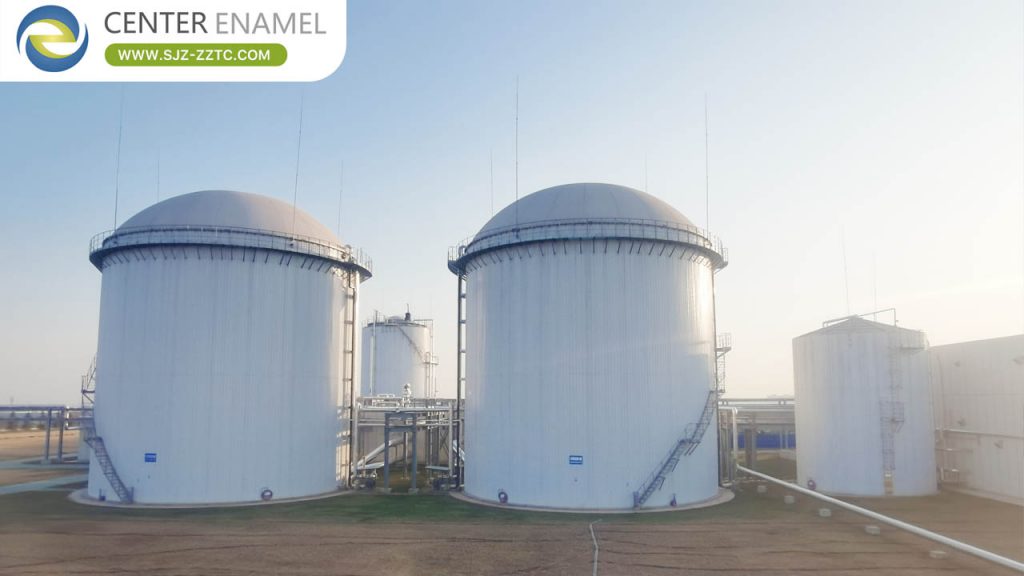
A palm oil wastewater treatment facility in Sri Lanka utilizing SBR (Sequencing Batch Reactor) process technology. The plant is equipped with 2 reactor sets and treats 250 tonnes of palm oil mill effluent (POME) per day, achieving strict discharge standards for COD and BOD reduction.
Technical Specifications
Daily Treatment Volume: 250 tonnes/day
Treatment Process: SBR (Sequencing Batch Reactor)
Reactor Specifications: Φ24.46 × 6 m, 2 sets
Installation Year: 2026
Water Quality Data
| Parameter | Inlet (Measured) | Discharge Standard |
| COD | 65,600 mg O₂/L | ≤ 400 mg O₂/L |
| BOD | 7,480 mg O₂/L | ≤ 250 mg O₂/L |
| TSS | 14,425 mg/L | — |
| pH | — | 6.5 – 8.5 |