
Which Is More Efficient? Biogas or Biomass Combustion?
Per unit of fuel energy, biogas is clearly more efficient: a gas engine converts 35–45% into electricity and 80–90% into useful energy in CHP, against 20–35% electrical for a biomass steam cycle. Per tonne of as-received feedstock, the ranking flips—dry woody biomass holds 2–4 MWh/t while wet organics yield only 0.6–1.3 MWh/t through digestion.
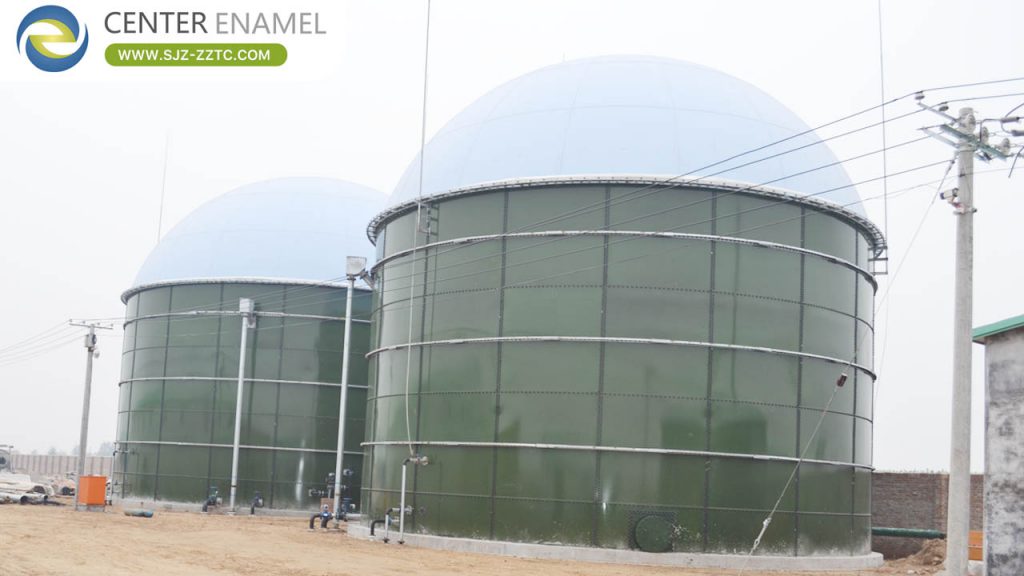
Why Biogas Wins on Conversion Efficiency
Three reasons. Gas engines burn a clean fuel at high compression with no boiler or condenser losses, so electrical efficiency reaches 35–45%. Digestion operates at 35–40 °C (mesophilic) or 50–55 °C (thermophilic), so no energy is spent evaporating water. And CHP captures jacket water and exhaust heat directly, lifting total utilization to 80–90% versus 60–85% for biomass CHP.
Comparative Data Table: Biogas Route vs Combustion Route
| Metric | Biogas (AD + CHP) | Biomass combustion (steam) |
| Electrical efficiency | 35–45% | 20–35% |
| Total CHP utilization | 80–90% | 60–85% |
| Feedstock moisture | 70–95% ideal | below 50–55% |
| Energy per tonne as received | 0.6–1.3 MWh | 2–4 MWh (dry wood) |
| Parasitic load | 5–12% of gas energy | 6–12% of output |
| Typical unit scale | 0.2–5 MW | 1–100 MW |
| Start-up to stable output | 20–40 days | immediate |
Why the Answer Depends on Your Feedstock
Efficiency percentages compare fuel in to energy out; they do not tell you whether the fuel can be used at all. Manure, food waste, and sewage sludge at 70–95% moisture cannot sustain combustion without drying, so the 20–35% steam figure is irrelevant to them. Conversely, dry wood at 15–30% moisture would waste digester volume and leave most of its lignin undigested. Match the route to the moisture and composition first.
Frequently Asked Questions (FAQ)
Q1: Which is more efficient, biogas or biomass combustion?
A: Biogas, per unit of fuel energy: 35–45% electrical in an engine versus 20–35% for a biomass steam cycle, and 80–90% versus 60–85% in CHP. Combustion recovers more energy per tonne only because dry fuel is far more energy-dense.
Q2: Why is biogas more efficient?
A: The engine avoids boiler and condenser losses, the digester never evaporates water, and CHP recovers jacket and exhaust heat at usable temperature. Biomass boilers also lose 10–25% of fuel energy in hot flue gas.
Q3: Which gives more energy per tonne of feedstock?
A: Dry biomass. Wood chips at 20% moisture deliver roughly 3–3.5 MWh per tonne, while food waste or manure through AD yields about 0.6–1.3 MWh per tonne as received—but AD is the only route that can process that material at all.
Q4: When is combustion the better choice?
A: When feedstock is dry, lignocellulosic, storable, and available at scale above roughly 1 MW thermal demand—wood residues, straw, nutshells, or refuse-derived fuel—and when heat or steam, not electricity, is the main product.