
Which Method Is Best for Managing Kitchen Waste?
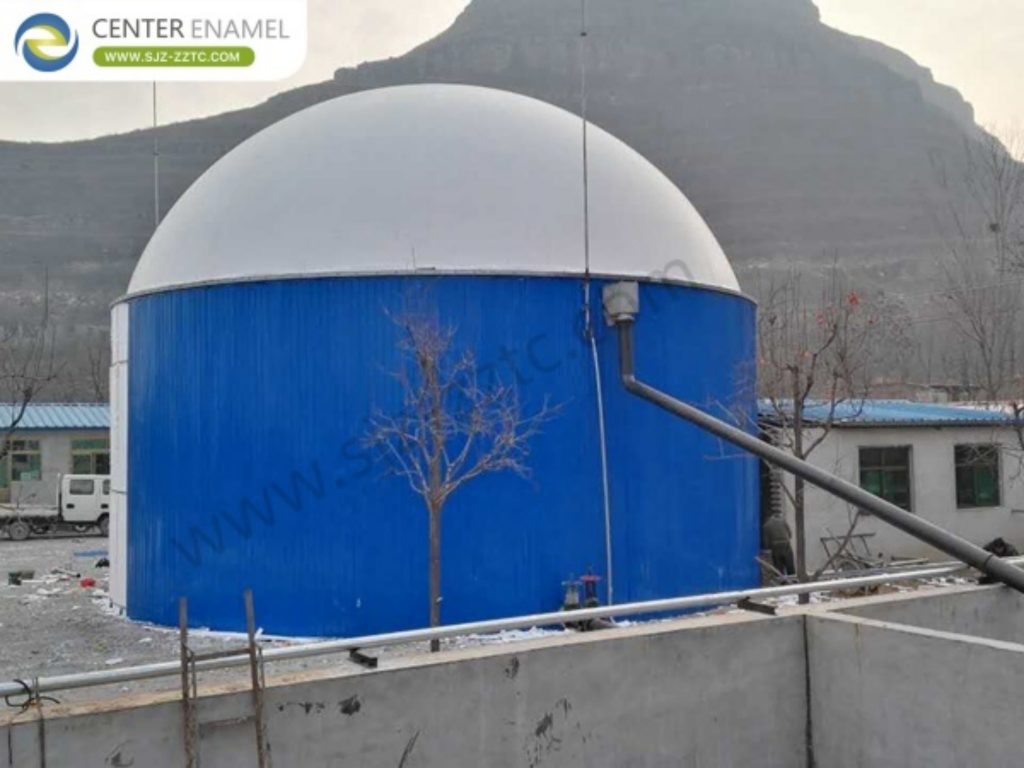
Modern urbanization and changing lifestyles have led to an unprecedented surge in organic waste generation. Every day, households, restaurants, and food processing facilities discard massive quantities of food scraps. Managing this organic fraction efficiently is one of the most critical environmental challenges of our time. While traditional disposal methods like landfills and incineration have been standard for decades, they carry heavy environmental tolls.
Today, the paradigm is shifting toward a circular economy where waste is viewed as a resource. Among all available strategies, anaerobic digestion stands out as the superior approach, turning burdensome kitchen waste into valuable renewable energy and high-grade organic fertilizer.
The Growing Crisis of Kitchen Waste and Why Traditional Methods Fall Short
Kitchen waste-often referred to as food waste or organic municipal solid waste-is characterized by high moisture content, rapid biodegradability, and high salinity and oil content. Historically, cities have relied on two primary methods to handle this massive volume: landfills and incineration.
The Landfill Dilemma: When food waste is buried in landfills, it decomposes anaerobically in an uncontrolled environment, releasing massive amounts of methane-a greenhouse gas significantly more potent than carbon dioxide. Furthermore, it generates toxic leachate that threatens local groundwater supplies.
The Incineration Challenge: Incinerating kitchen waste requires significant auxiliary fuel because of the extremely high moisture content of food scraps. This process is energy-intensive, expensive, and can release harmful emissions if flue gas treatment is not meticulously maintained.
Because of these severe ecological and financial drawbacks, municipalities and industries are actively seeking sustainable, closed-loop alternatives.
Why Converting Kitchen Waste into Biogas is the Best Management Method
Converting kitchen waste into biogas via anaerobic digestion is widely recognized by environmental scientists and engineers as the most effective management method. This approach transforms a waste liability into a commercial asset through several distinct advantages:
Renewable Energy Generation: The anaerobic digestion process yields biogas, a mixture primarily composed of methane and carbon dioxide. This gas can be combusted to generate electricity, used for heating, or upgraded to biomethane for grid injection and vehicle fuel.
Significant Greenhouse Gas Mitigation: By capturing the methane that would otherwise escape into the atmosphere from open landfills, biogas plants drastically reduce a facility's carbon footprint.
Nutrient Recycling: The residual byproduct of digestion, known as digestate, is rich in nitrogen, phosphorus, and potassium. It serves as an exceptional, organic-rich bio-fertilizer that replaces synthetic chemical fertilizers, closing the agricultural nutrient loop.
Volume and Odor Reduction: Advanced enclosed digestion systems significantly reduce the physical volume of waste while containing foul odors associated with rotting food.
Understanding Anaerobic Digestion: The Science Behind Biogas Production
At its core, anaerobic digestion is a biological process in which microorganisms break down biodegradable material in the absolute absence of oxygen. The transformation occurs through four sequential biochemical stages:
Hydrolysis: Complex organic polymers (proteins, carbohydrates, and lipids) are broken down by extracellular enzymes into simpler soluble monomers (amino acids, sugars, and fatty acids).
Acidogenesis: Acid-forming bacteria convert these simpler monomers into volatile fatty acids (VFAs), alcohols, carbon dioxide, and hydrogen.
Acetogenesis: Acetogenic bacteria convert the VFAs and alcohols into acetic acid, carbon dioxide, and hydrogen.
Methanogenesis: Methanogenic archaea consume the end products of acetogenesis to produce methane and carbon dioxide, forming the final usable biogas.
To optimize this multi-step biological chain, specialized reactor designs are required, with Continuous Stirred Tank Reactors (CSTR) and Upflow Solid Reactors (USR) leading the industry.
Key Technologies in Kitchen Waste Biogas Plants: CSTR vs. USR
Choosing the right reactor configuration is critical for the success of a kitchen waste anaerobic digestion facility. The high solids content and complex composition of kitchen waste mean standard wastewater reactors will fail. Two main technologies dominate the sector:
1. Continuous Stirred Tank Reactor (CSTR)
The CSTR system is the workhorse of high-solids anaerobic digestion.
How it Works: The reactor is equipped with a mechanical or hydraulic mixing system that continuously stirs the incoming kitchen waste slurry. This ensures uniform distribution of temperature, nutrients, and microbial populations.
Advantages: CSTR is exceptionally well-suited for high-solid feedstocks, co-digestion of multiple organic streams, and handling materials with high grease or particulate content. It prevents scum formation and localized acidification, ensuring stable, long-term gas yields.
2. Upflow Solid Reactor (USR)
The USR system relies on a simpler, vertical tank design without internal mechanical stirring.
How it Works: Waste enters from the bottom of the reactor and flows upward through a dense blanket of anaerobic sludge. The microorganisms naturally form aggregates or granules that treat the organic matter as it passes.
Advantages: USR is cost-effective, highly efficient for specific wastewater or lower-solid organic slurries, and has lower mechanical maintenance requirements due to the absence of moving parts inside the tank.
The Role of High-Performance GFS Storage Tanks in Biogas Projects
In any biogas or organic waste treatment facility, containment is everything. The reactors, buffer tanks, and digestate storage units must withstand harsh chemical environments, extreme temperatures, and continuous pressure variations. This is why Glass-Fused-to-Steel (GFS) storage tanks have become the gold standard for modern biogas engineering.
GFS tanks are engineered by fusing specialized glass enamel to high-strength structural steel plates at temperatures ranging from 820°C to 930°C. This fusion creates a permanent, inert bond that marries the strength and flexibility of steel with the supreme corrosion resistance of glass.
Key Advantages of GFS Tanks in Biogas Applications:
Superior Corrosion Resistance: Kitchen waste slurries and volatile fatty acids are highly corrosive. GFS surfaces resist both acid and alkaline environments (pH range 3–11), preventing structural degradation.
Rapid On-Site Installation: Unlike traditional welded concrete tanks that require months to cure, GFS tanks are modular and bolted together on-site. This significantly shortens project construction timelines.
Low Maintenance Costs: The ultra-smooth glass surface prevents biological scaling and solid buildup, making cleaning effortless and extending the service life of the asset beyond 30 years.
Weather and UV Resistance: GFS tanks do not fade, crack, or degrade under harsh sunlight or extreme weather conditions, ensuring a pristine external aesthetic for municipal and industrial installations.
Center Enamel: Your Trusted Partner for Turnkey Biogas Solutions with Decades of Experience
When executing complex kitchen waste-to-energy projects, partnering with an experienced industry leader is paramount. Center Enamel has earned a stellar global reputation as a premier manufacturer and comprehensive project service provider in the environmental engineering sector.
Backed by decades of industry experience, Center Enamel specializes in the research, development, and manufacturing of high-end bolted steel tanks, including GFS tanks, fusion bonded epoxy tanks, and stainless steel tanks. Beyond manufacturing elite containment vessels, Center Enamel delivers integrated EPC (Engineering, Procurement, and Construction) solutions for biogas engineering, wastewater treatment, and organic waste management.
Why Global Clients Choose Center Enamel:
Cutting-Edge Manufacturing: Operating advanced production facilities equipped with state-of-the-art enameling and robotic welding technology to guarantee uncompromising product quality.
Global Engineering Expertise: A seasoned team of professional engineers capable of tailoring custom CSTR, USR, and GFS containment solutions to meet strict international standards (such as ISO, AWWA, and OSHA).
Proven Track Record: Thousands of successful municipal, agricultural, and industrial biogas projects operating reliably across dozens of countries worldwide.
End-to-End Support: From initial feasibility studies and custom design to on-site installation, commissioning, and after-sales service, Center Enamel ensures seamless project execution.
Frequently Asked Questions (FAQs) About Kitchen Waste Biogas Management
Q1: Why is anaerobic digestion superior to composting for kitchen waste?
While composting is a great aerobic method for garden or yard waste, kitchen waste contains high levels of moisture, oils, and greases that can cause odor problems and attract pests in open composting systems. Anaerobic digestion takes place in sealed vessels, completely containing odors, preventing greenhouse gas leaks, and-most importantly-capturing energy in the form of methane while still producing a nutrient-rich fertilizer.
Q2: What is the main difference between CSTR and USR reactors?
The primary difference lies in the mixing mechanism and feedstock suitability. A CSTR utilizes active mechanical or hydraulic stirring, making it ideal for high-solids kitchen waste slurries and co-digestion. A USR is a vertical, unmixed reactor where waste flows upward through a sludge blanket, working best for lower-solid organic liquids or specialized wastewater streams.
Q3: How long do GFS storage tanks last in a biogas plant?
Glass-Fused-to-Steel (GFS) tanks are designed for exceptional longevity, typically providing a service life of 30 years or more. The permanent fusion of glass and steel creates an impenetrable barrier against the corrosive acids and gases generated during the anaerobic digestion of kitchen waste, ensuring maximum return on investment.