
Which Plant Produces Biogas? Top Feedstock Crops for Anaerobic Digestion
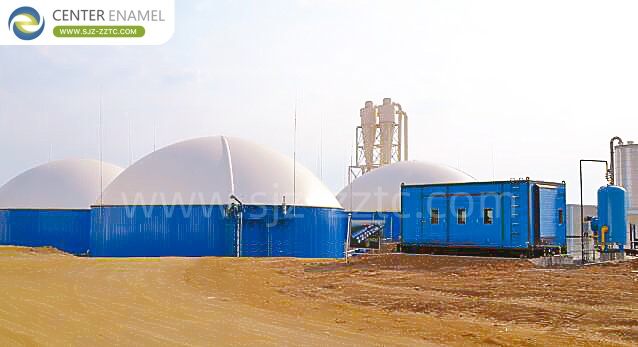
Biogas production is a cornerstone of the renewable energy transition, and the choice of plant feedstock is central to its success. While many organic materials can produce biogas through anaerobic digestion, certain crops stand out for their high biomass yield, favorable composition, and methane potential. This guide explores the best plants for biogas production, helping project developers and farmers make informed decisions for sustainable energy generation.
What Makes a Plant Suitable for Biogas Production?
Not all plants are created equal when it comes to biogas potential. The suitability of a crop for anaerobic digestion depends on several key factors:
High Organic Matter Content: Plants rich in cellulose and hemicellulose provide more fermentable material for microorganisms .
Low Lignin Content: Lignin is resistant to degradation; lower lignin levels mean higher digestibility and methane yield.
Favorable Carbon-to-Nitrogen (C/N) Ratio: A C/N ratio between 20:1 and 30:1 is generally optimal for stable anaerobic digestion .
High Biomass Yield per Hectare: Greater biomass production translates to more biogas per unit of land.
Perennial Growth: Crops that regrow after harvesting reduce cultivation costs and soil disturbance.
Maize Silage: The Global Standard
Silage maize (Zea mays L.) is widely regarded as the most efficient energy crop for biogas production due to its high dry matter yield, favorable ensiling properties, and excellent methane productivity . In countries like Germany, maize accounts for the largest share of the crop area dedicated to biogas feedstock production .
Performance highlights:
Biogas Yield: Agricultural biogas plants processing maize silage achieve average specific biogas yields of approximately 127 m³/ton, with methane concentrations of 53.7–55.1% .
Energy Yield: Maize has demonstrated energy yields of approximately 255 GJ ha⁻¹ annually in long-term field trials .
Dominance: Despite environmental concerns such as landscape homogenization and erosion risks, maize remains the dominant biogas crop in Europe .
However, the expansion of maize cultivation has been criticized for contributing to simplified crop rotations and loss of agrobiodiversity, spurring interest in alternative energy crops .
Sorghum: A Climate-Resilient Alternative
Sorghum (Sorghum Moench) is emerging as a strong contender, particularly in the face of climate change. This C4 plant is highly drought-resistant and can thrive in temperate conditions, offering a more stable substrate supply to biogas plants compared to maize during dry years .
Performance highlights:
Biogas Yield: Sorghum straw produces between 437.76 m³·Mg⁻¹ and 494.67 m³·Mg⁻¹ of biogas, depending on the variety .
Energy Output: Sorghum can generate approximately 1.00–1.12 MWh of electricity per Mg of total solids .
Drought Resilience: Unlike maize, sorghum maintains productivity under low rainfall, making it a preferred crop for changing climatic conditions in central and northern Europe .
Napier Grass: High-Yield Perennial for Tropical Regions
Napier grass (Pennisetum purpureum), also known as elephant grass, is a perennial tropical grass that has proven exceptional for biogas production in warmer climates. Its high cellulose and hemicellulose content—approximately 80–92% of its composition—makes it readily degradable in anaerobic digesters .
Performance highlights:
Biomass Yield: Napier grass can produce up to 75 tons of biomass per hectare annually under favorable conditions.
Biogas Production: Research confirms that Napier grass shows high potential for methane gas production, with co-digestion with cow manure further enhancing yields .
Sustainability: As a perennial crop, Napier grass reduces the need for annual replanting and minimizes soil disturbance.
Sugar Beets: A European Option
Sugar beets have been investigated as an alternative biogas feedstock, particularly in regions where maize cultivation faces restrictions. However, recent research indicates that replacing maize with sugar beets can result in higher greenhouse gas emissions and deteriorated energy balances .
Considerations:
Regional production circumstances significantly influence the environmental performance of sugar beets.
The economic viability of sugar beets varies widely by location and yield conditions.
Intermediate Crops and Cover Crops: Maximizing Land Use
Intermediate crops (ICs) grown between main crop seasons offer an opportunity to produce biogas feedstock without competing with food production. These crops, which include catch crops, beet tops, and post-harvest seed grass, can be used as residual biomass for biogas production .
Advantages:
Sustainability: ICs improve soil fertility and reduce erosion while providing biogas feedstock.
Economic Viability: Research shows that biomethane production from certain intermediate crops can be economically viable, even without nitrogen fertilization .
Utilization: Countries like Denmark are increasingly focusing on residual biomass as a sustainable feedstock source due to restrictions on energy crops like maize .
Other Noteworthy Biogas Plants
Several other plant species have been evaluated for biogas production:
| Plant | Biogas Yield | Key Advantages |
| Amaranth | Up to 2,678 m³ CH₄ ha⁻¹ | Heat-tolerant, diverse genotypes |
| Common Goldenrod | Moderate (improves co-digestion) | Invasive species, rich in bioactive compounds |
| Sida hermaphrodita | 279 ± 8 LN kgVS⁻¹ | Perennial, but energy yield declines over time |
| Cup Plant (Silphium perfoliatum) | 264 ± 3.7 LN kgVS⁻¹ | Competitive with maize, perennial |
GFS Tanks: Essential Storage for Biogas Projects
A reliable biogas storage solution is critical for operational efficiency, safety, and maximizing energy recovery. Glass-Fused-to-Steel (GFS) tanks from Center Enamel provide the industry's premier solution for biogas containment, combining unmatched durability with superior corrosion resistance .
Key advantages of GFS tanks for biogas storage:
Superior Corrosion Resistance: The glass coating, fused to steel at 820°C–930°C, creates an inert, non-porous barrier that resists the aggressive organic acids and hydrogen sulfide produced during anaerobic digestion .
Gas Tightness: Precision-engineered bolted construction with specialized gaskets ensures safe containment of biogas with no leakage .
High Durability: Designed to withstand high pressures and demanding operational conditions with a service life exceeding 30 years .
Rapid Installation: The modular bolted design allows for quick on-site assembly by small teams, dramatically reducing project timelines .
Scalability: Tanks are available in various sizes and configurations to accommodate projects of all scales .
Center Enamel's GFS tanks have been successfully deployed in biogas projects worldwide, including a high-capacity 5,504 m³ tank in Sweden completed in 2024 .
Center Enamel: Your Partner in Biogas Solutions
Center Enamel is a global leader in providing professional biogas storage solutions, with a proven track record across over 100 countries. The company's commitment to quality, innovation, and sustainability makes it the ideal partner for biogas projects of all scales .
What Center Enamel offers:
Comprehensive Product Range: GFS tanks, stainless steel tanks, fusion bonded epoxy tanks, and biogas holders .
International Certifications: ISO 9001, CE, NSF/ANSI 61, WRAS, and AWWA D103-09 standards ensure world-class quality .
Application Versatility: Solutions for agricultural, industrial, municipal, and waste-to-energy biogas projects .
End-to-End Support: From design and engineering to manufacturing, delivery, and commissioning .
Center Enamel's expertise extends to dairy farm wastewater treatment projects and anaerobic digestion systems, where GFS tanks provide the durable, low-maintenance infrastructure essential for reliable, long-term energy generation .
FAQ Section
Q1: Which plant produces the highest biogas yield?
A: Silage maize is widely recognized as the highest-yielding biogas crop, achieving average specific biogas yields of approximately 127 m³/ton with methane concentrations of 53.7–55.1% . Sorghum and Napier grass are strong alternatives, offering high yields with greater drought resistance and perennial growth, respectively.
Q2: Can biogas crops be grown without competing with food production?
A: Yes. Intermediate crops and cover crops—such as catch crops, beet tops, and post-harvest seed grass—can be grown between main crop seasons or on marginal land without competing with food production . These residual biomass sources are increasingly used in biogas production to enhance sustainability.
Q3: What makes GFS tanks suitable for biogas storage?
A: Glass-Fused-to-Steel (GFS) tanks offer superior corrosion resistance against the aggressive gases and organic acids produced during anaerobic digestion, excellent gas tightness for safe containment, and high durability with a service life exceeding 30 years. Their modular bolted design allows for rapid on-site installation, reducing project timelines and costs .