
Why Can Garden Waste Produce Biogas? A Complete Guide to Energy Recovery
Garden waste is commonly generated during gardening, landscaping, park maintenance, and agricultural activities. Materials such as grass clippings, leaves, weeds, flowers, and small plant residues are often collected and disposed of as green waste. However, these organic materials can serve another important purpose: renewable energy production.
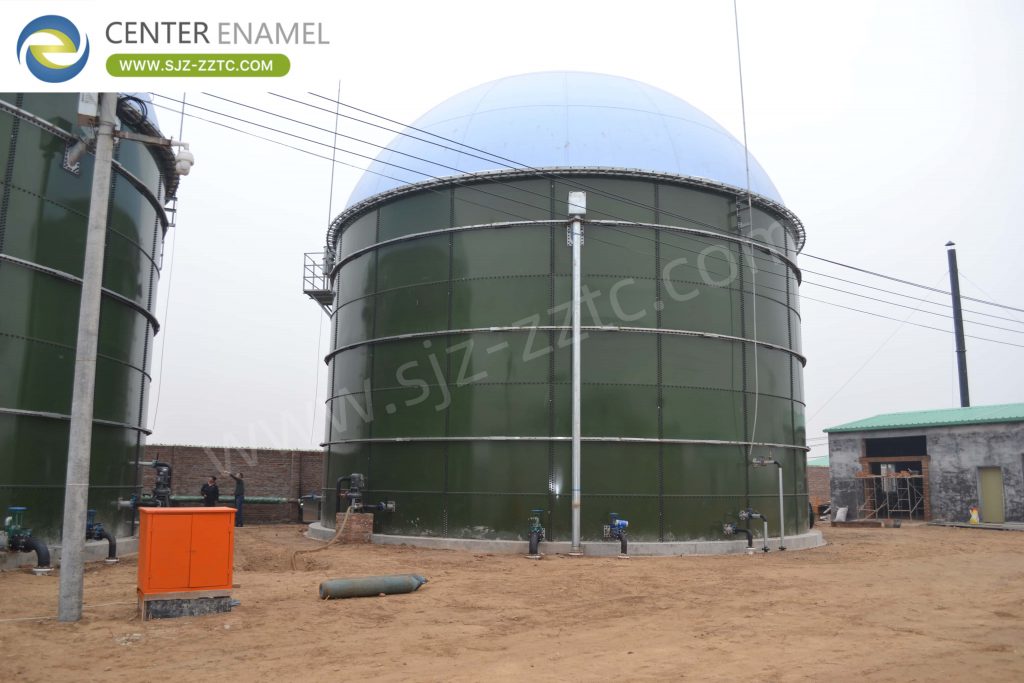
But why can garden waste produce biogas?
The answer lies in its organic composition. Garden waste contains biodegradable substances such as cellulose, hemicellulose, soluble sugars, and other organic compounds. Under oxygen-free conditions, microorganisms can break down these materials and convert them into methane-rich biogas through a biological process known as anaerobic digestion.
Instead of sending suitable organic garden waste to landfills or treating it only as disposal material, businesses and municipalities can use anaerobic digestion to recover energy and produce nutrient-rich digestate.
Understanding the characteristics of garden waste and the biogas production process helps identify opportunities for sustainable waste management and renewable energy development.
What Is Garden Waste?
Garden waste, also known as green waste, refers to biodegradable plant materials generated from gardening, landscaping, parks, and other outdoor maintenance activities.
Common types of garden waste include:
Grass clippings from lawns and gardens.
Fallen leaves from trees and shrubs.
Weeds and unwanted plants.
Flowers and ornamental plant residues.
Small branches and hedge trimmings.
Vegetable and fruit plant residues.
Other biodegradable landscaping materials.
The composition of garden waste varies depending on the season, plant species, geographical location, and collection methods.
Some materials, such as fresh grass clippings and soft leaves, decompose relatively easily. Others, including woody branches and mature plant stems, contain more lignin and may require additional processing before anaerobic digestion.
Because garden waste contains a considerable amount of organic matter, suitable fractions can be used as feedstock for biogas production.
Why Can Garden Waste Produce Biogas?
The main reason garden waste can produce biogas is that it contains biodegradable organic compounds that microorganisms can convert into methane under anaerobic conditions.
Plant materials naturally contain several important organic components.
Cellulose: Cellulose is a structural carbohydrate found in plant cell walls. It consists of glucose units and can be broken down into simpler sugars through hydrolysis.
Hemicellulose: Hemicellulose is another major component of plant biomass. It can be decomposed into smaller sugars that microorganisms use during anaerobic digestion.
Soluble Sugars: Fresh grass clippings, flowers, and other green plant materials may contain readily biodegradable sugars that microorganisms can process relatively quickly.
Other Organic Compounds: Garden waste also contains proteins, organic acids, and other biodegradable substances that contribute to microbial activity.
During anaerobic digestion, microorganisms break down these organic compounds and eventually produce methane (CH4) and carbon dioxide (CO2).
Methane is the primary energy-carrying component of biogas.
However, not all garden waste has the same biogas potential. Fresh grass and soft plant residues are generally more suitable for digestion than highly lignified woody materials.
How Does Garden Waste Turn into Biogas?
Garden waste is converted into biogas through anaerobic digestion, a biological process that takes place in an airtight reactor without oxygen.
The process involves four main stages.
Stage 1: Hydrolysis
During hydrolysis, complex organic compounds such as cellulose, hemicellulose, proteins, and fats are broken down into smaller soluble molecules.
For garden waste, this stage is particularly important because plant cell walls contain structural carbohydrates that must be made accessible before microorganisms can use them.
Stage 2: Acidogenesis
Acid-producing bacteria convert soluble organic compounds into volatile fatty acids, alcohols, hydrogen, and carbon dioxide.
These intermediate products become the raw materials for the next biological stage.
Stage 3: Acetogenesis
During acetogenesis, microorganisms convert organic acids and other intermediate compounds into acetate, hydrogen, and carbon dioxide.
These compounds are essential for methane formation.
Stage 4: Methanogenesis
Methanogenic microorganisms convert acetate and hydrogen with carbon dioxide into methane.
The resulting biogas generally contains approximately 50–70% methane, with most of the remaining gas consisting of carbon dioxide. Its exact composition depends on the feedstock and digester operating conditions.
After collection, the biogas can be used for heating, electricity generation, or upgraded into biomethane.
Which Types of Garden Waste Are Best for Biogas Production?
Not all garden waste materials are equally suitable for anaerobic digestion. Their biodegradability, moisture content, and lignin concentration can significantly influence methane production.
Grass Clippings
Fresh grass clippings contain moisture, soluble organic compounds, and carbohydrates. They are generally suitable for anaerobic digestion, although excessive quantities can cause rapid acid production and process instability.
Fallen Leaves
Leaves contain cellulose, hemicellulose, and other organic compounds. However, their composition varies considerably between plant species. Dry leaves may require size reduction and moisture adjustment before digestion.
Weeds and Soft Plant Residues
Young weeds and soft green plant materials can be suitable substrates because they often contain readily biodegradable organic matter.
Flowers and Ornamental Plant Waste
Discarded flowers and soft plant residues can be processed through anaerobic digestion, provided they are free from unsuitable contaminants.
Small Branches and Woody Waste
Woody materials contain higher levels of lignin, which is difficult for anaerobic microorganisms to break down. They are generally less suitable for conventional anaerobic digestion without specialized pretreatment.
Selecting the right feedstock mixture is essential for improving digestion performance and maintaining stable biogas production.
The Importance of Garden Waste Pretreatment
Garden waste often contains fibrous plant structures, soil, stones, plastics, and other contaminants. Pretreatment helps improve feedstock quality and makes organic materials more accessible to microorganisms.
Several pretreatment methods are commonly used.
Mechanical Pretreatment
Shredding, crushing, and grinding reduce particle size and increase the surface area available for microbial degradation.
This is particularly useful for leaves, grass, and plant residues with fibrous structures.
Screening and Sorting
Screening removes unwanted materials such as stones, plastics, metal fragments, and oversized woody components.
Proper sorting protects equipment and improves the quality of the digestion feedstock.
Thermal Pretreatment
Controlled heating can modify organic structures and improve the availability of biodegradable compounds. Its effectiveness depends on the feedstock and operating conditions.
Biological Pretreatment
Certain microorganisms and enzymes can help break down cellulose and hemicellulose before anaerobic digestion.
This method may improve biodegradability while reducing the need for intensive mechanical or chemical processing.
Choosing the appropriate pretreatment technology depends on the composition of the garden waste, project capacity, investment budget, and expected biogas production.
What Factors Affect Biogas Production from Garden Waste?
The amount of biogas generated from garden waste depends on several biological and operational factors.
Organic Composition
Materials rich in readily biodegradable carbohydrates generally decompose more easily than highly lignified woody biomass.
Moisture Content
Microorganisms require a suitable water environment for biological activity. Dry leaves and woody materials may need moisture adjustment before processing.
Particle Size
Smaller particles generally provide greater surface area for microbial contact, improving hydrolysis. However, excessive grinding can increase energy consumption.
Carbon-to-Nitrogen Ratio
The carbon-to-nitrogen ratio affects microbial nutrient balance. Garden waste is often relatively carbon-rich, so co-digestion with nitrogen-rich materials such as livestock manure or certain food waste streams may improve digestion conditions.
Digestion Temperature
Temperature affects microbial activity and the speed of organic matter decomposition. Stable mesophilic or thermophilic conditions are important for efficient operation.
pH Level
Methanogenic microorganisms generally perform best under near-neutral conditions. Excessive accumulation of organic acids can lower pH and inhibit methane production.
Organic Loading Rate and Retention Time
The feedstock loading rate and time spent inside the digester must be properly controlled. Overloading can cause acid accumulation and reduce system stability.
Monitoring these factors helps maintain efficient and consistent biogas production.
Can Garden Waste Be Mixed with Other Organic Materials?
Yes. Co-digestion is an effective strategy for improving the utilization of garden waste.
Garden waste may contain high concentrations of carbon but insufficient nitrogen or other nutrients for optimal microbial growth.
Mixing it with complementary organic materials can help balance the feedstock composition.
Common co-digestion materials include:
Livestock manure.
Food processing waste.
Fruit and vegetable residues.
Certain agricultural residues.
Suitable organic municipal waste.
For example, mixing grass clippings with livestock manure can improve nutrient balance and introduce additional microorganisms into the digestion system.
However, the mixing ratio should be determined according to feedstock characteristics, total solids, volatile solids, carbon-to-nitrogen ratio, and digestion performance.
Proper co-digestion management can improve process stability and help increase the overall utilization of organic waste resources.
What Are the Benefits of Producing Biogas from Garden Waste?
Converting garden waste into biogas offers environmental, economic, and waste management benefits.
1. Renewable Energy Generation
Biogas provides a renewable energy source that can be used for heating, electricity production, and other suitable energy applications.
2. Reduced Organic Waste Disposal
Anaerobic digestion creates an alternative treatment pathway for biodegradable garden waste, reducing the amount of suitable organic material requiring landfill disposal.
3. Better Resource Utilization
Instead of treating green waste as unwanted material, businesses and municipalities can transform it into useful energy.
4. Digestate Production
The digestion process produces digestate containing organic matter and plant nutrients. After appropriate treatment and quality assessment, it may be used as a soil amendment or fertilizer.
5. Support for Circular Economy Development
Garden waste can be collected, processed, converted into biogas, and returned to agricultural or landscaping systems through properly managed digestate utilization.
These benefits make garden waste anaerobic digestion an attractive option for sustainable waste management.
Garden Waste Biogas Production vs. Composting
Composting and anaerobic digestion are two common methods for managing biodegradable garden waste.
Although both processes use microorganisms to break down organic materials, they operate under different conditions and produce different outputs.
| Comparison | Anaerobic Digestion | Composting |
| Oxygen requirement | Without oxygen | With oxygen |
| Main process | Anaerobic decomposition | Aerobic decomposition |
| Main product | Biogas and digestate | Compost |
| Energy recovery | Yes | No direct methane energy recovery |
| Main application | Renewable energy production | Soil improvement |
| Suitable materials | Biodegradable organic waste | Biodegradable organic waste |
Anaerobic digestion is particularly attractive when energy recovery is a priority.
Composting, on the other hand, is often more appropriate when the main objective is producing soil amendments.
In some waste management systems, both technologies can complement each other. For example, suitable organic fractions can be digested first, while woody or other less digestible residues can be managed through composting or alternative biomass utilization routes.
10. Is Garden Waste Biogas Production Suitable for Commercial Projects?
Garden waste biogas production can be suitable for commercial projects, especially in municipalities, landscaping companies, agricultural businesses, and organic waste treatment facilities.
However, successful implementation requires careful evaluation of feedstock quality, collection systems, processing technology, and energy utilization opportunities.
Before investing in a garden waste biogas plant, project developers should consider:
Daily and annual garden waste availability.
Seasonal variations in feedstock supply.
Feedstock sorting and pretreatment requirements.
Digester capacity and organic loading rate.
Expected methane production and gas quality.
Biogas storage and purification equipment.
Digestate treatment and disposal or utilization.
Transportation costs and overall project economics.
A complete garden waste biogas system typically includes waste receiving, sorting, shredding, pretreatment, anaerobic digestion, gas collection, gas purification, and digestate management.
With appropriate equipment and process design, garden waste can become a valuable resource for renewable energy production rather than simply a disposal challenge.
Conclusion
Garden waste can produce biogas because it contains biodegradable organic compounds, including cellulose, hemicellulose, and soluble sugars, which microorganisms can convert into methane through anaerobic digestion.
Grass clippings, leaves, weeds, and soft plant residues are particularly useful feedstocks, while highly lignified woody materials may require additional pretreatment or alternative processing methods.
By combining effective sorting, mechanical size reduction, appropriate feedstock mixing, and stable digester operation, businesses can improve the efficiency of garden waste biogas production.
For municipalities, landscaping companies, and renewable energy developers, anaerobic digestion offers an opportunity to transform organic garden waste into renewable energy while supporting more sustainable waste management practices.
Frequently Asked Questions (FAQ)
1. Can all types of garden waste be used to produce biogas?
No. Grass clippings, leaves, weeds, and soft plant residues are generally suitable for anaerobic digestion. However, large branches and highly lignified woody materials are more difficult to decompose and may require pretreatment or alternative processing methods.
2. How long does it take to produce biogas from garden waste?
The digestion time depends on feedstock composition, particle size, temperature, organic loading rate, and digester design. Many conventional anaerobic digestion systems operate with retention times ranging from several weeks to over a month. Actual operating requirements should be determined through feedstock testing and process design.
3. How can biogas production from garden waste be improved?
Biogas production can be improved through proper waste sorting, mechanical shredding, suitable pretreatment, moisture adjustment, and optimized digester conditions. Co-digestion with livestock manure or other nitrogen-rich organic materials may also improve nutrient balance and digestion stability.
Contact Us for Garden Waste Biogas Solutions
Are you looking for an efficient way to convert garden waste into renewable energy? Contact our professional team to explore customized anaerobic digestion equipment and complete biogas plant solutions.
Get in touch with us today to discuss your garden waste processing requirements and discover the right technology for your biomass-to-energy project.