
Why Can Napier Grass Produce Biogas? A Complete Guide to Its Energy Potential
As the global demand for renewable energy continues to grow, agricultural biomass is becoming an increasingly attractive resource for sustainable energy production. Among various energy crops, Napier grass (Pennisetum purpureum), also known as elephant grass, has attracted attention because of its rapid growth, high biomass productivity, and suitability for anaerobic digestion.
But why can Napier grass produce biogas?
The main reason is its rich organic composition. Napier grass contains significant amounts of cellulose, hemicellulose, and other biodegradable organic materials. These compounds can be broken down by microorganisms under oxygen-free conditions, producing methane-rich biogas that can be used for heating, electricity generation, and other energy applications.
Understanding its biological composition and conversion process helps farmers, biomass energy developers, and industrial investors evaluate the potential of Napier grass as a renewable energy feedstock.
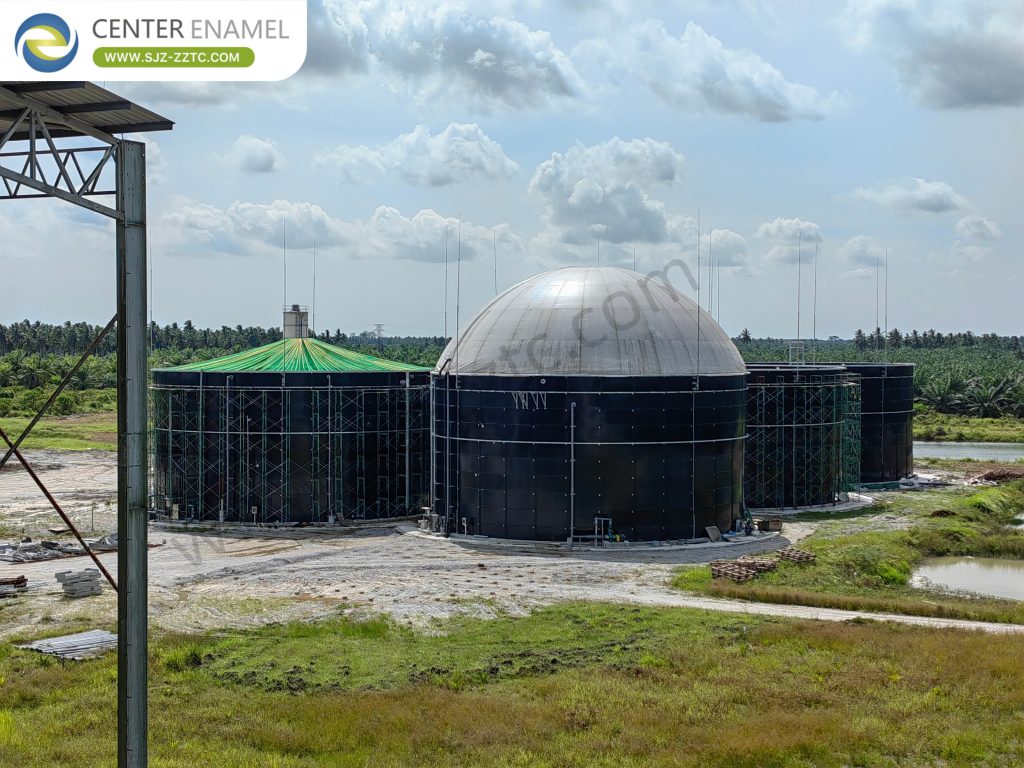
What Is Napier Grass?
Napier grass is a fast-growing perennial tropical grass widely cultivated for animal feed, biomass production, and renewable energy applications.
It is native to Africa but is now grown in many tropical and subtropical regions because of its adaptability to different growing conditions.
Unlike conventional food crops, Napier grass can produce substantial quantities of green biomass within a relatively short period. It can also regrow after harvesting, allowing multiple harvests under suitable cultivation conditions.
Its main characteristics include:
Rapid growth: Napier grass develops quickly and can be harvested several times per year in favorable climates.
High biomass productivity: It produces substantial amounts of organic plant material.
High organic matter content: Its plant tissues contain carbohydrates that can be converted into biogas.
Perennial growth: Its ability to regrow reduces the need for repeated planting.
Multiple applications: It can be used for livestock feed, composting, bioenergy, and biomass processing.
These characteristics make Napier grass a promising feedstock for renewable energy production.
Why Can Napier Grass Produce Biogas?
The fundamental reason Napier grass can produce biogas is its high content of biodegradable organic matter.
Biogas is generated when microorganisms decompose organic materials in an oxygen-free environment. Napier grass provides the carbon-rich material required for this biological process.
Its main organic components include:
Cellulose: Cellulose is a structural carbohydrate found in plant cell walls. It consists of glucose units linked together and can be converted into simpler sugars through enzymatic hydrolysis.
Hemicellulose: Hemicellulose is another important plant carbohydrate. Compared with cellulose, it generally has a more complex but less crystalline structure, making it relatively accessible to microbial degradation.
Other organic compounds: Napier grass also contains soluble sugars, proteins, and other organic substances that contribute to microbial activity and biogas generation.
During anaerobic digestion, microorganisms convert these biodegradable materials into methane (CH4), carbon dioxide (CO2), and small quantities of other gases.
The methane component is particularly valuable because it provides the energy content of biogas.
Therefore, Napier grass can produce biogas because it supplies microorganisms with organic carbon that can be biologically converted into renewable energy.
How Does Anaerobic Digestion Convert Napier Grass into Biogas?
Anaerobic digestion is the primary technology used to convert Napier grass into biogas.
It takes place inside an airtight digester, where microorganisms break down organic materials without oxygen.
The process generally consists of four biological stages.
Stage 1: Hydrolysis
During hydrolysis, complex organic materials such as cellulose, hemicellulose, and proteins are broken down into smaller soluble compounds.
For example, cellulose can be converted into simple sugars that microorganisms can use.
This is particularly important for Napier grass because its plant cell walls contain structurally complex materials.
Stage 2: Acidogenesis
Acid-producing bacteria convert the soluble compounds into organic acids, alcohols, hydrogen, and carbon dioxide.
These intermediate products provide the raw materials for the next stage.
Stage 3: Acetogenesis
During acetogenesis, microorganisms convert intermediate compounds into acetate, hydrogen, and carbon dioxide.
These products are essential substrates for methane-producing microorganisms.
Stage 4: Methanogenesis
Methanogenic microorganisms convert acetate and hydrogen with carbon dioxide into methane.
The resulting biogas mainly contains methane and carbon dioxide, with smaller quantities of hydrogen sulfide, water vapor, and other trace gases.
The produced methane can then be collected, purified, and used as a renewable energy source.
High Cellulose and Hemicellulose Content Supports Methane Production
One of the most important reasons Napier grass is suitable for biogas production is its lignocellulosic composition.
Cellulose and hemicellulose contain carbohydrates that can eventually be converted into methane through anaerobic digestion.
Research on Napier grass has reported cellulose contents of approximately 35.0–39.4% and xylan contents of 19.2–23.4% on a dry-mass basis, depending on the variety and growing conditions.
These structural carbohydrates provide substantial organic material for biogas production.
However, lignin is another major component of plant cell walls. Unlike cellulose and hemicellulose, lignin is difficult for anaerobic microorganisms to break down.
A high lignin content can therefore reduce the accessibility of carbohydrates and limit methane production.
This explains why pretreatment technologies are often used to improve the biodegradability of Napier grass before digestion.
High Biomass Yield Provides a Reliable Feedstock
Another important advantage of Napier grass is its high biomass productivity.
Biogas production requires a continuous supply of organic feedstock. Napier grass can provide this supply because of its rapid growth and ability to regrow after harvesting.
In suitable climates and with proper agricultural management, it can produce large quantities of biomass throughout the year.
Its perennial characteristics also provide several practical benefits:
Reduced frequency of replanting.
Multiple harvesting opportunities.
A potentially stable supply of biomass.
Flexible integration with agricultural operations.
Opportunities for large-scale renewable energy production.
For biomass energy projects, feedstock availability is just as important as the methane production potential of the material itself.
A high-yielding crop can help reduce the risk of feedstock shortages and support more consistent digester operation.
How to Improve Biogas Production from Napier Grass
Although Napier grass has good biogas potential, its natural lignocellulosic structure can slow down microbial decomposition.
Several pretreatment methods can improve digestion efficiency.
Mechanical Pretreatment
Mechanical chopping, grinding, and shredding reduce the particle size of Napier grass.
Smaller particles provide a larger surface area for microbial activity, making organic compounds more accessible during hydrolysis.
Alkaline Pretreatment
Alkaline treatment, commonly using sodium hydroxide (NaOH), can modify the plant cell wall structure and improve carbohydrate accessibility.
Research has demonstrated that alkaline pretreatment can significantly improve methane production from Napier grass.
Thermal Pretreatment
Heating biomass under controlled conditions can help disrupt its structural components and improve the availability of biodegradable organic matter.
Biological Pretreatment
Certain microorganisms and enzymes can partially break down lignocellulosic structures before anaerobic digestion.
This approach can improve the accessibility of cellulose and hemicellulose while potentially reducing the need for intensive chemical treatment.
The most appropriate pretreatment method depends on feedstock characteristics, operating costs, available equipment, and the scale of the biogas project.
Factors That Affect Napier Grass Biogas Production
The amount of biogas produced from Napier grass is not constant. Several factors influence the digestion process and final methane yield.
Harvesting Age
The maturity of Napier grass affects its cellulose, hemicellulose, and lignin composition. Younger and older plants may have different biodegradability and methane production characteristics.
Selecting an appropriate harvesting period is therefore important.
Particle Size
Smaller particle sizes can improve the contact between microorganisms and organic materials, although excessive grinding may increase energy consumption.
Digestion Temperature
Temperature affects microbial growth and biological activity. Stable mesophilic or thermophilic operating conditions are important for maintaining efficient digestion.
pH Level
Methane-producing microorganisms generally perform best under near-neutral conditions. Significant pH fluctuations can inhibit their activity.
Carbon-to-Nitrogen Ratio
The carbon-to-nitrogen ratio influences microbial nutrient availability. Napier grass is relatively carbon-rich, so co-digestion with nitrogen-rich organic materials may help improve nutrient balance.
Organic Loading Rate and Retention Time
The amount of feedstock added and the time it remains inside the digester must be properly controlled. Excessive loading can cause organic acid accumulation and reduce methane production.
Careful management of these parameters helps maximize biogas production and maintain stable digester performance.
What Are the Advantages of Using Napier Grass for Biogas Production?
Napier grass offers several advantages as a renewable biomass feedstock.
1. Renewable and Sustainable Resource
As a perennial crop, Napier grass can be harvested repeatedly under suitable conditions, providing a renewable source of organic material.
2. High Biomass Productivity
Its rapid growth allows substantial biomass production, supporting continuous feedstock supply for biogas facilities.
3. Potential to Reduce Agricultural Waste
Napier grass residues and unused plant materials can be redirected into anaerobic digestion instead of being discarded.
4. Flexible Energy Applications
The methane produced can be used for cooking, heating, electricity generation, and upgrading into biomethane for suitable applications.
5. Digestate as a Potential Fertilizer Resource
The remaining digestate contains organic matter and plant nutrients. After appropriate treatment and quality assessment, it may be used as a soil amendment or fertilizer.
These advantages make Napier grass an attractive option for integrated agricultural and renewable energy systems.
Napier Grass vs. Other Biomass Feedstocks for Biogas
Different biomass materials have different characteristics, costs, and methane production potential.
Napier grass is often compared with maize silage, agricultural residues, and livestock manure.
Maize silage is widely used in commercial anaerobic digestion because of its relatively high biodegradability and established supply chains.
Agricultural residues are attractive because they make use of existing waste streams, although their composition and availability can vary.
Livestock manure provides both organic matter and microorganisms, making it useful for co-digestion with other biomass materials.
Napier grass offers a different advantage: it can be cultivated specifically as a high-yielding perennial biomass crop.
However, it is important to evaluate feedstock costs, land availability, transportation, pretreatment requirements, and methane yield before choosing a substrate.
In many projects, combining Napier grass with manure or other organic waste may provide a more balanced and practical digestion system than using a single feedstock.
Is Napier Grass a Good Choice for Commercial Biogas Projects?
Napier grass has considerable potential for commercial biogas production, particularly in regions with suitable growing conditions and sufficient agricultural land.
Its high biomass productivity, perennial growth, and carbohydrate-rich composition make it a promising feedstock for medium- and large-scale anaerobic digestion facilities.
Nevertheless, successful commercial production requires more than simply growing Napier grass and placing it inside a digester.
Project developers should consider:
Annual biomass availability and harvesting schedules.
Feedstock transportation and storage costs.
Pretreatment equipment and energy consumption.
Digester capacity and operating conditions.
Methane recovery and gas purification systems.
Digestate management and potential fertilizer applications.
Overall project economics and environmental impact.
A well-designed biogas system should integrate biomass cultivation, feedstock preparation, anaerobic digestion, gas collection, and energy utilization.
With appropriate process design and operating management, Napier grass can become a valuable component of a sustainable biomass-to-energy solution.
Conclusion
Napier grass can produce biogas because it contains abundant biodegradable organic matter, particularly cellulose and hemicellulose, which microorganisms can convert into methane through anaerobic digestion.
Its rapid growth, high biomass productivity, and perennial characteristics further strengthen its potential as a renewable energy feedstock.
Although lignin and other structural barriers can limit natural biodegradability, mechanical, chemical, thermal, and biological pretreatment methods can improve digestion performance.
For agricultural businesses and renewable energy developers, Napier grass represents a promising opportunity to transform plant biomass into useful energy while supporting more efficient resource utilization.
Frequently Asked Questions (FAQ)
1. How much biogas can Napier grass produce?
The biogas yield depends on the grass variety, harvesting age, moisture content, pretreatment method, and anaerobic digestion conditions. Research has reported methane yields of approximately 192 mL CH4/g volatile solids for Napier grass under specific experimental conditions. Actual commercial performance may vary.
2. Why is Napier grass suitable for anaerobic digestion?
Napier grass is suitable for anaerobic digestion because it contains cellulose, hemicellulose, and other biodegradable organic compounds. These materials can be converted into methane by microorganisms in an oxygen-free environment. Its high biomass productivity also makes it an attractive feedstock for renewable energy projects.
3. How can methane production from Napier grass be increased?
Methane production can be improved through appropriate harvesting schedules, mechanical size reduction, alkaline or biological pretreatment, and optimized digester operating conditions. Co-digestion with livestock manure or other organic materials may also improve nutrient balance and digestion stability.
Contact Us for Biomass Biogas Solutions
Are you planning to use Napier grass or other agricultural biomass for renewable energy production? Contact our professional team to explore suitable biogas equipment and customized biomass-to-energy solutions.
Get in touch with us today to discuss your project requirements and discover how to turn agricultural biomass into valuable renewable energy.