
Why Can Palm Oil Mill Effluent Produce Biogas?
Palm oil production generates large amounts of wastewater known as Palm Oil Mill Effluent (POME). This wastewater is produced during various processing stages, including fruit sterilization, clarification, and oil extraction.
Although POME is considered an industrial wastewater that requires proper treatment, it contains significant amounts of organic matter. These organic substances can be broken down by microorganisms under oxygen-free conditions, producing biogas as a renewable energy source.
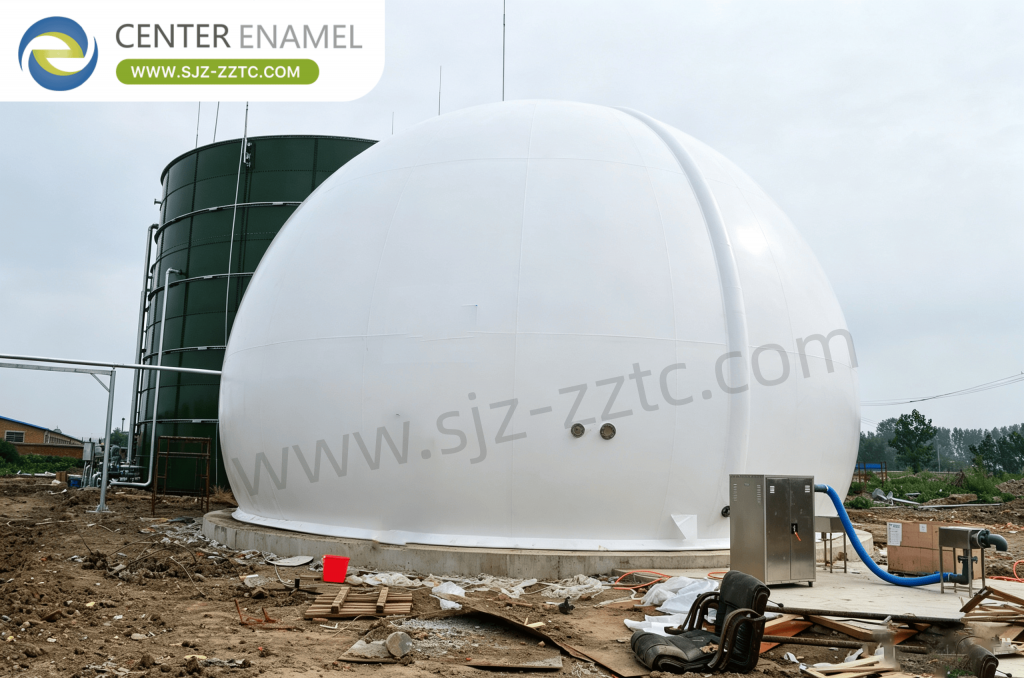
But why can palm oil mill effluent produce biogas? The main reason is its high concentration of biodegradable organic compounds, which provide microorganisms with the carbon and energy needed for anaerobic digestion.
By converting POME into biogas, palm oil mills can reduce wastewater pollution, recover energy, and improve the sustainability of palm oil production.
1. What Is Palm Oil Mill Effluent (POME)?
Palm Oil Mill Effluent, commonly known as POME, is a wastewater generated during crude palm oil production.
It mainly comes from three processing activities:
Sterilization of fresh fruit bunches using steam.
Separation of oil from the processed fruit material.
Clarification and purification of crude palm oil.
Fresh POME is generally a hot, brownish liquid containing water, suspended solids, oil and grease, and dissolved organic compounds.
Its composition varies depending on the palm oil processing method, operating conditions, and wastewater collection system.
Typical characteristics of untreated POME include:
| Parameter | Typical Characteristics |
| pH | Acidic, commonly around 4–5 |
| Chemical Oxygen Demand (COD) | Approximately 50,000–100,000 mg/L |
| Biochemical Oxygen Demand (BOD) | Approximately 20,000–40,000 mg/L |
| Temperature | Often around 70–90°C when freshly generated |
| Organic Components | Oils, fats, carbohydrates, proteins, and organic acids |
| Appearance | Brownish liquid with suspended solids |
These characteristics explain why POME requires effective treatment but also make it a valuable resource for biogas production.
2. Why Can Palm Oil Mill Effluent Produce Biogas?
The ability of POME to produce biogas comes primarily from its high organic content.
Unlike wastewater containing large amounts of non-biodegradable substances, POME contains various organic compounds that anaerobic microorganisms can break down.
The main biodegradable substances include:
2.1 High Organic Matter Content
POME contains carbohydrates, proteins, fats, oils, and other organic materials.
These substances contain carbon and hydrogen, which are essential elements involved in methane production.
During anaerobic digestion, microorganisms convert complex organic compounds into simpler substances, eventually producing methane (CH₄) and carbon dioxide (CO₂).
The higher the biodegradable organic content available to microorganisms, the greater the potential for biogas production, provided that operating conditions are suitable.
2.2 Suitable Carbon Sources for Microorganisms
Carbohydrates, proteins, and lipids serve as important substrates for anaerobic microorganisms.
Different microorganisms participate in breaking down these materials during digestion.
For example, carbohydrates are converted into soluble sugars and organic acids, while fats are broken down into glycerol and long-chain fatty acids.
These intermediate products are subsequently converted into compounds that methane-producing microorganisms can utilize.
2.3 High Biodegradability
A significant proportion of POME's organic pollution load is biodegradable.
This means that microorganisms can convert much of its organic matter into biogas under properly controlled anaerobic conditions.
The biodegradability of POME makes it particularly suitable for anaerobic wastewater treatment systems.
3. How Does POME Produce Biogas Through Anaerobic Digestion?
Anaerobic digestion is a biological process in which microorganisms decompose organic matter without oxygen.
For POME treatment, this process generally involves four main stages.
Stage 1: Hydrolysis
During hydrolysis, complex organic substances such as carbohydrates, proteins, and fats are broken down into smaller molecules.
These include simple sugars, amino acids, and fatty acids.
This step makes organic materials easier for other microorganisms to utilize.
Stage 2: Acidogenesis
In this stage, acid-producing bacteria convert the smaller molecules into volatile fatty acids, alcohols, hydrogen, and carbon dioxide.
These substances become important intermediate products for the next digestion stages.
Stage 3: Acetogenesis
During acetogenesis, microorganisms convert organic acids and other intermediate compounds into acetate, hydrogen, and carbon dioxide.
These compounds provide suitable substrates for methane-producing microorganisms.
Stage 4: Methanogenesis
Methanogenic microorganisms convert acetate, hydrogen, and carbon dioxide into methane.
The resulting biogas mainly consists of methane and carbon dioxide, with small amounts of other gases depending on the wastewater composition and digestion conditions.
The methane-rich biogas can then be collected and used for electricity generation, heating, or other energy applications.
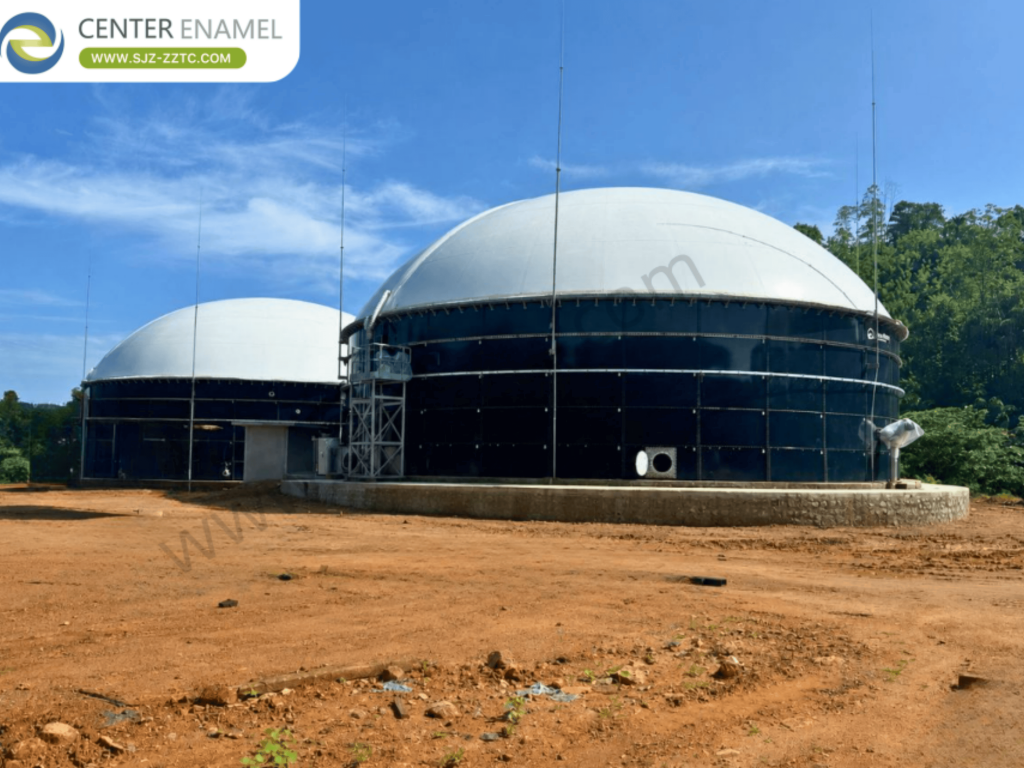
4. What Is the Typical Composition of Biogas Produced from POME?
Biogas composition depends on wastewater characteristics, digester design, operating temperature, organic loading rate, and treatment efficiency.
A typical biogas composition is shown below.
| Gas Component | Typical Proportion | Main Characteristics |
| Methane (CH₄) | 50–70% | Main combustible component |
| Carbon Dioxide (CO₂) | 30–50% | Non-combustible gas |
| Hydrogen Sulfide (H₂S) | Trace to variable amounts | Corrosive and toxic impurity |
| Water Vapor | Variable | Depends on gas temperature and moisture conditions |
| Other Gases | Small amounts | May include nitrogen and hydrogen |
Methane is the most valuable component because it provides the energy needed for biogas utilization.
After appropriate treatment to remove impurities such as hydrogen sulfide and excess moisture, POME biogas can be used in boilers, gas engines, and combined heat and power (CHP) systems.
5. What Factors Affect Biogas Production from POME?
Although POME has high biogas production potential, actual methane yield depends on several operating conditions.
Temperature: Anaerobic microorganisms require suitable temperatures to maintain biological activity. Mesophilic digestion commonly operates around 35–38°C, while thermophilic digestion generally operates around 50–55°C.
pH Level: Methane-producing microorganisms are sensitive to acidic conditions. A pH range of approximately 6.8–7.5 is generally suitable for stable methanogenesis.
Organic Loading Rate: Excessive organic loading can cause volatile fatty acids to accumulate, resulting in process instability and reduced methane production.
Hydraulic Retention Time (HRT): Sufficient retention time allows microorganisms to break down organic matter effectively.
Toxic and Inhibitory Substances: Excessive ammonia, sulfide, or certain chemicals may inhibit microbial activity and affect digestion performance.
Proper control of these factors helps improve biogas production efficiency and maintain stable wastewater treatment operations.
6. Environmental and Economic Benefits of Producing Biogas from POME
Converting POME into biogas offers several advantages for palm oil mills.
6.1 Reduces Wastewater Pollution
Untreated POME contains high concentrations of organic pollutants. Anaerobic digestion reduces its organic load before further wastewater treatment or discharge.
This helps reduce the potential environmental impact on rivers, soil, and surrounding ecosystems.
6.2 Generates Renewable Energy
Methane recovered from POME can be used as a fuel for electricity and heat production.
Palm oil mills can use this energy to support their own operations and potentially reduce dependence on conventional fossil fuels.
6.3 Reduces Uncontrolled Methane Emissions
Traditional open wastewater ponds may release methane generated by natural anaerobic decomposition.
Capturing biogas in enclosed anaerobic digestion systems allows methane to be collected and utilized instead of being released directly into the atmosphere.
6.4 Improves Resource Utilization
POME is not simply wastewater that needs to be disposed of. It is also a potential source of renewable energy.
Integrating anaerobic digestion into palm oil mill operations supports waste-to-energy development and improves overall resource efficiency.
Conclusion
Why can palm oil mill effluent produce biogas? The answer lies in its high concentration of biodegradable organic matter, including carbohydrates, proteins, oils, and fats.
These organic compounds provide the substrates required by anaerobic microorganisms to produce methane and carbon dioxide through hydrolysis, acidogenesis, acetogenesis, and methanogenesis.
With suitable digester design and operating conditions, POME can be converted from a high-strength industrial wastewater into a valuable renewable energy resource.
For palm oil mills, POME-to-biogas technology offers a practical approach to wastewater treatment, methane recovery, and energy generation while supporting more sustainable palm oil production.
Frequently Asked Questions (FAQs)
1. How much biogas can be produced from palm oil mill effluent?
Biogas production depends on the POME volume, COD concentration, biodegradable organic content, and digester efficiency. The actual yield should be determined through wastewater analysis and anaerobic digestion testing. A higher biodegradable COD load generally provides greater methane production potential.
2. What is the best method to produce biogas from POME?
Anaerobic digestion is the most widely used biological approach for producing biogas from POME. Covered anaerobic lagoons, continuously stirred tank reactors (CSTRs), and high-rate anaerobic reactors can be selected depending on wastewater characteristics, treatment capacity, land availability, and investment requirements.
3. Can POME biogas be used to generate electricity?
Yes. POME biogas contains methane, which can serve as fuel for gas engines and combined heat and power systems. Before utilization, biogas may require treatment to remove hydrogen sulfide, moisture, and other impurities to protect equipment and improve operational reliability.