
Why Fermentation Tank Temperature Is So Critical: Optimizing Animal Manure Biogas Production
In the realm of renewable energy and organic waste management, converting animal manure into biogas via anaerobic digestion is a proven, highly effective strategy. However, achieving high methane yields and stable operation is not merely a matter of throwing waste into a tank. The biological engine driving this transformation-methanogenic bacteria-is exceptionally sensitive to its environment.
Among all operational parameters, fermentation tank temperature stands out as the single most critical factor determining project success or failure. This comprehensive guide explores why maintaining precise thermal control in animal manure biogas plants is paramount, how temperature dictates microbial activity, and how advanced engineering ensures optimal performance.
The Core Role of Temperature in Anaerobic Digestion of Animal Manure
Animal manure (such as dairy cow slurry, piggery waste, and poultry litter) contains complex organic polymers, proteins, lipids, and carbohydrates. The breakdown of these substances requires a cascading community of anaerobic microorganisms working in four sequential stages: hydrolysis, acidogenesis, acetogenesis, and methanogenesis.
Temperature directly dictates the metabolic rate and enzymatic activity of these microorganisms. Even minor, unmanaged fluctuations in the fermentation tank can shock the bacterial populations, leading to volatile fatty acid (VFA) accumulation, dropping pH, and catastrophic system failure where biogas production drops close to zero.
Mesophilic vs. Thermophilic Temperature Regimes
Anaerobic digestion systems processing animal manure generally operate within two primary biological temperature ranges, each with distinct operational characteristics:
Mesophilic Range (35°C to 40°C): This is the most widely adopted temperature tier globally. Mesophilic bacteria are relatively robust, less sensitive to environmental shifts, and produce a stable, high-quality biogas yield. It requires lower energy input to maintain heating compared to higher tiers.
Thermophilic Range (50°C to 55°C): Operating at elevated temperatures accelerates biochemical reaction rates, shortens hydraulic retention times (HRT), and achieves a higher pathogen-destruction rate in animal manure (eliminating weed seeds and harmful bacteria). However, thermophilic systems demand tighter temperature control and are more vulnerable to process inhibition.
How Temperature Dictates Methane Yield and Gas Quality
The ultimate economic metric of any biogas plant is the volume and purity of methane produced. Temperature is the direct lever controlling this output:
Enzymatic Efficiency: Optimal thermal conditions maximize the activity of methanogenic archaea, converting intermediate organic acids into methane gas efficiently.
Methane Content Ratio: When temperatures remain stable within the target design band, raw biogas typically maintains a steady methane concentration of 55% to 65%. Temperature drops slow down methanogenesis while acid-forming bacteria continue working, skewing the gas ratio toward excess carbon dioxide and hydrogen sulfide.
The Danger of Thermal Shock and Temperature Fluctuations
Microbial communities inside an animal manure digester adapt to specific thermal niches. Sudden temperature shifts-often caused by cold winter weather, unheated incoming raw slurry, or heating system failures-trigger thermal shock:
Bacterial Stagnation: Rapid cooling halts the reproduction of sensitive methanogens.
VFA Imbalance: Organic acids accumulate faster than they can be consumed, causing the pH level to plummet below optimal thresholds (6.8–7.2).
Foaming and Scum Formation: Stressed biological activity frequently causes severe foaming, which can block gas outlet pipes and damage containment roofs.
Pre-Heating and Temperature Management Strategies for Manure Slurry
Because raw animal manure is often collected at ambient or low outdoor temperatures, direct introduction into a warm digester causes immediate thermal loss. Effective biogas plant design incorporates rigorous pre-treatment and thermal regulation strategies:
Slurry Pre-Heating: Utilizing heat exchangers to warm incoming animal manure using waste heat from combined heat and power (CHP) engines before it enters the main digester.
Internal Heating Coils and Jackets: Installing robust hot water heating loops along the interior or exterior walls of the fermentation tank to maintain uniform thermal distribution.
Thermal Insulation: Applying high-performance insulation layers around the tank shell to prevent heat loss, particularly in regions with harsh winter climates.
The Influence of Temperature on Pathogen Destruction and Sanitization
Beyond gas generation, animal manure management plays a critical sanitization role in modern farming. Raw livestock waste often harbors pathogens, parasites, and weed seeds that pose biosecurity risks if returned to agricultural land via digestate.
Maintaining elevated temperatures-especially in thermophilic regimes or via standardized pasteurization pre-treatment steps-ensures the complete eradication of harmful pathogens. This transforms hazardous animal waste into a safe, high-value, pathogen-free organic bio-fertilizer that can be safely applied to crops.
Center Enamel: Professional Biogas Solutions Supplier with Advanced Thermal & Tank Engineering
Designing an animal manure biogas plant that maintains precise, reliable fermentation temperatures requires world-class engineering and containment technology. Center Enamel is recognized globally as a premier, professional biogas solutions supplier and tank manufacturer, delivering comprehensive turnkey capabilities.
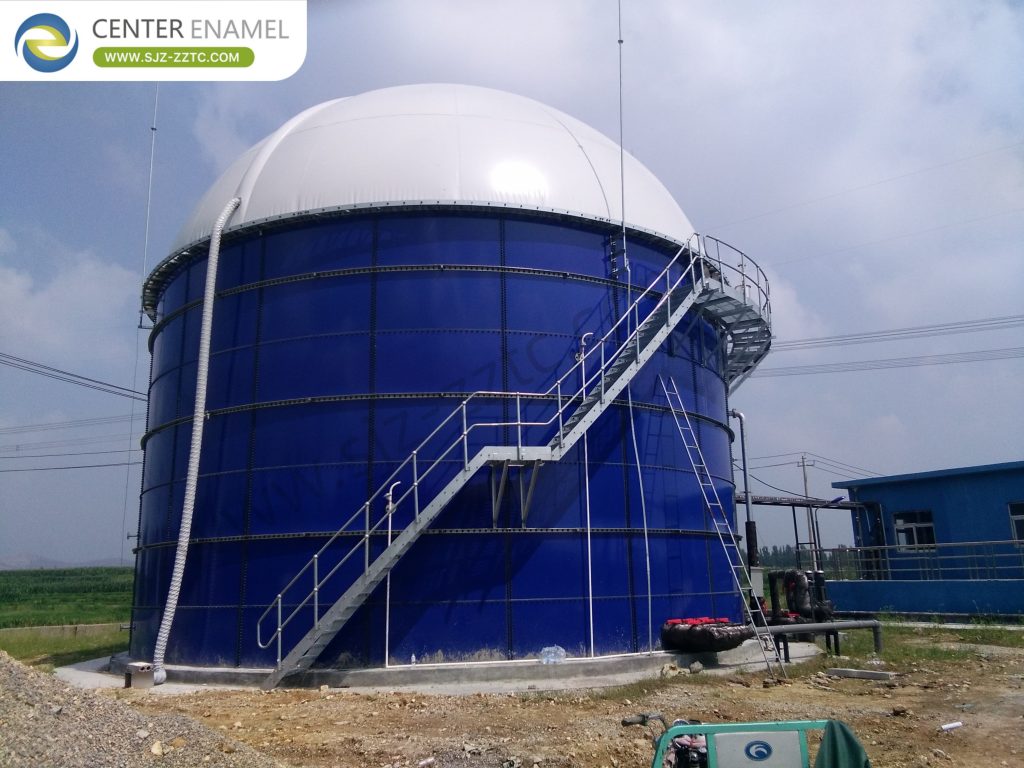
Center Enamel provides top-tier Glass-Fused-to-Steel (GFS) tanks and advanced bolted steel containment structures equipped with integrated thermal insulation and heating systems. GFS tanks offer exceptional corrosion resistance against the aggressive chemical environment of animal manure slurry while ensuring structural longevity and rapid on-site assembly. By combining superior material durability with sophisticated temperature management and biogas storage solutions, Center Enamel empowers agricultural and industrial clients worldwide to maximize green energy conversion efficiency.
Frequently Asked Questions (FAQ)
Q1: What is the ideal temperature for an animal manure biogas fermentation tank?
A: The ideal temperature depends on the chosen biological regime. For mesophilic digestion, the optimal temperature range is strictly maintained between 35°C and 40°C. For thermophilic digestion, the target range is between 50°C and 55°C. Maintaining a stable temperature within these ranges with daily fluctuations of less than 1°C is critical for preventing microbial shock and ensuring consistent biogas production.
Q2: What happens to the biogas plant if the fermentation temperature drops suddenly?
A: A sudden drop in temperature causes thermal shock to the methanogenic bacteria. Their metabolic activity slows down dramatically, while acid-producing bacteria continue to function. This imbalance leads to an accumulation of volatile fatty acids (VFAs), a sharp drop in pH, foaming, and a severe reduction or total halt in methane production. Recovering a "sour" or cold-shocked digester can take weeks of careful chemical and thermal adjustment.
Q3: Why are Glass-Fused-to-Steel (GFS) tanks ideal for animal manure biogas fermentation?
A: Animal manure slurry is heavy, chemically active, and corrosive due to organic acids and moisture. GFS tanks combine the high tensile strength of steel with the inert, acid-resistant properties of fused glass coating. This prevents corrosion, withstands high structural loads from mixing equipment and heating jackets, and provides a long-lasting, low-maintenance containment environment that supports stable thermal regulation in professional biogas plants.