
Why Is Wastewater Treatment So Important?
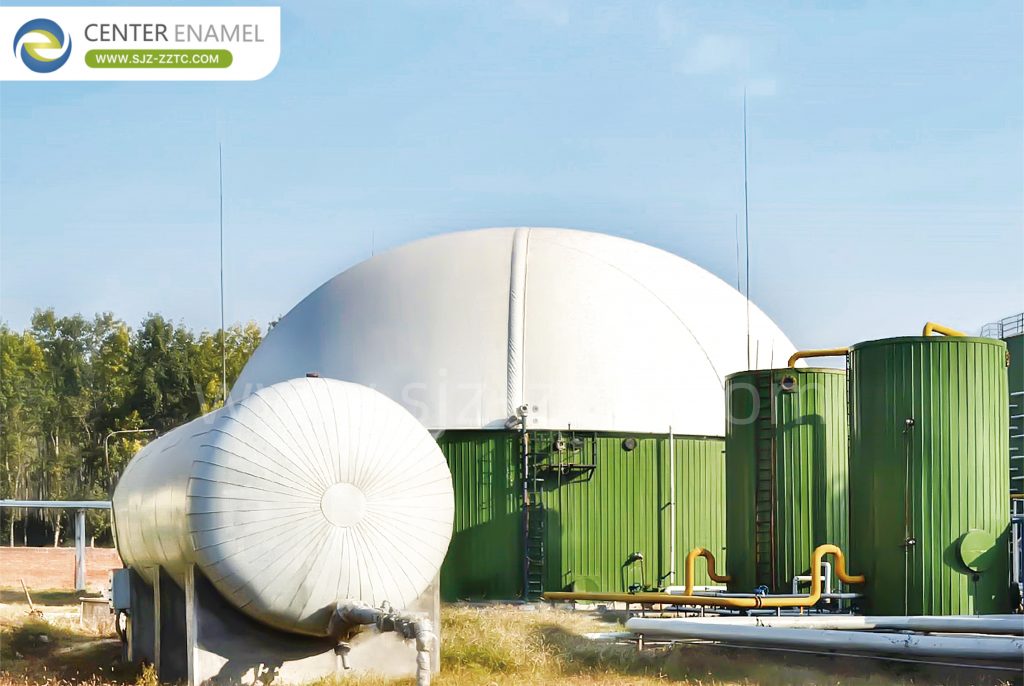
Wastewater treatment has become one of the most critical infrastructure priorities for modern cities, industrial parks, agricultural zones and rural communities worldwide. Untreated wastewater contains high levels of organic pollutants, nutrients, pathogens, chemicals and suspended solids. Direct discharge into rivers, lakes and groundwater triggers severe ecological damage, public health risks and economic losses. As global population grows and industrial activities expand, the volume of industrial, domestic and agricultural wastewater keeps rising. This makes professional and standardized wastewater treatment no longer an option, but an inevitable necessity for sustainable development, public safety and green economic growth.
Protect Public Health and Prevent Disease Spread
One of the most fundamental reasons why wastewater treatment is important is safeguarding public health. Raw wastewater carries large amounts of bacteria, viruses and parasites. Without proper treatment, these pollutants contaminate drinking water sources and farmland irrigation water, easily causing cholera, diarrhea, skin diseases and other infectious diseases.
Treated wastewater eliminates harmful pathogens and reduces the risk of waterborne diseases, especially in rural and densely populated areas. Proper wastewater isolation and purification also reduce odor pollution and mosquito breeding, greatly improving living environment quality and residents’ physical health.
Protect Aquatic Ecosystems and Water Resources
Untreated wastewater leads to serious water eutrophication caused by excessive nitrogen and phosphorus. It triggers algal blooms, oxygen depletion and massive death of fish and aquatic organisms, destroying the balance of river and lake ecosystems. Meanwhile, toxic chemical components in industrial wastewater accumulate in water bodies, causing long-term damage to soil and underwater ecology.
Effective wastewater treatment removes COD, BOD, suspended solids and harmful chemicals. It protects surface water and groundwater resources, maintains natural water circulation, and prevents irreversible ecological degradation. For coastal countries and island regions, wastewater treatment also protects marine environments and fishery resources.
Realize Water Reuse and Alleviate Water Shortage
Many regions worldwide face severe water scarcity. Wastewater treatment turns polluted sewage into reusable water resources. After professional purification, treated water can be used for farmland irrigation, industrial cooling, landscape water replenishment and road cleaning.
According to UNEP data, properly recycled wastewater can irrigate nearly 40 million hectares of farmland globally and ease the pressure on freshwater exploitation. Wastewater reuse reduces reliance on groundwater and natural rivers, forming a sustainable water circulation system and enhancing regional water security.
Reduce Carbon Emissions and Support Green Development
Wastewater is an overlooked source of greenhouse gas emissions. Randomly discharged organic wastewater produces large amounts of methane, a greenhouse gas far more potent than carbon dioxide. Professional anaerobic wastewater treatment captures methane and converts it into clean biogas for power generation and heating.
This not only reduces carbon emissions but also creates renewable energy. Recovered nutrients such as nitrogen and phosphorus can be processed into organic fertilizer, lowering demand for chemical fertilizers. Wastewater treatment has become an important part of carbon neutrality, circular economy and global climate action.
Meet Environmental Regulations and Reduce Economic Losses
Governments worldwide have issued strict environmental discharge standards for industries, farms and urban communities. Enterprises that discharge wastewater illegally face heavy fines, production suspensions and reputational damage. Standard wastewater treatment helps factories and rural projects meet emission compliance and obtain policy support.
In addition, untreated wastewater causes long-term pollution to farmland and water resources, leading to reduced crop yields, degraded fishery production and high ecological restoration costs. Investing in wastewater treatment in advance can avoid huge economic losses in the future and promote stable and sustainable industrial and agricultural development.
Four Core Anaerobic Technologies for Wastewater Treatment by Center Enamel
As a global leading EPC contractor and wastewater solution provider, Center Enamel offers four mature anaerobic technologies tailored for different wastewater types, pollutant concentrations and project scales:
CSTR Process (Completely Stirred Tank Reactor)Suitable for high-solids organic wastewater such as agricultural waste, cassava and elephant grass fermentation wastewater. Full mechanical stirring prevents scum crusting and sediment accumulation, ensuring stable fermentation and high biogas yield for large-scale wastewater treatment plants.
UASB Process (Upflow Anaerobic Sludge Blanket)Ideal for low-solids industrial wastewater. It features low operating cost, high organic removal efficiency and stable performance, widely applied in medium-sized food processing, palm oil and starch factory wastewater projects.
USR Process (Upflow Solids Reactor)Simple structure, low investment and easy maintenance. It perfectly adapts to scattered small rural wastewater workshops and decentralized agricultural sewage treatment projects, with low daily operation requirements.
IC Process (Internal Circulation Reactor)Adopts biogas-driven internal circulation, with 3–5 times higher treatment load than traditional reactors. It saves construction land significantly and is the best choice for industrial zones and projects with limited site space.
Advantages of GFS Tanks in Wastewater Treatment Projects
Glass-Fused-to-Steel (GFS) Tanks are the core equipment for Center Enamel’s wastewater and biogas projects, showing irreplaceable advantages:
Super corrosion resistance: Fused at over 820°C, GFS Tanks withstand pH 1–14, resisting acid, sulfide and microbial erosion in complex wastewater environments.
Strong climate adaptability: Resist high temperature, heavy rainfall, high humidity and UV aging, suitable for tropical, subtropical and temperate regions.
Excellent airtightness: Sealed bolted structure prevents wastewater leakage and biogas escape, improving treatment efficiency and avoiding secondary pollution.
Long service life: Over 30-year lifespan with extremely low maintenance costs, far superior to traditional concrete and welded steel tanks.
Fast modular installation: Factory prefabricated components for on-site bolt assembly, short construction period and convenient later capacity expansion.
Why Choose Center Enamel as Wastewater Project EPC Contractor
Provides customized anaerobic solutions and process design according to local wastewater characteristics, climate and project scale.
Owns over 200 independent enamel patents and Asia’s largest GFS tank production base, ensuring stable supply and quality control.
All products comply with ISO 28765, AWWA D103, CE and other international standards; every tank passes 1500V high-voltage spark testing.
Rich global project experience, familiar with regional environmental policies, terrain conditions and tropical construction difficulties.
Offers one-stop turnkey EPC services covering design, equipment manufacturing, installation, commissioning and lifelong after-sales maintenance.
Wastewater treatment is indispensable for protecting public health, restoring aquatic ecology, realizing water resource reuse and promoting low-carbon circular development. It brings profound environmental, social and economic value to countries, cities and rural areas. With four mature anaerobic technologies, high-performance GFS Tanks and professional full-process EPC capabilities, Center Enamel delivers stable, cost-effective and sustainable wastewater treatment and biogas energy solutions for global clients. As environmental regulations become stricter and renewable energy demand grows, professional wastewater treatment will continue to be a key foundation for global ecological protection and green economic transformation.