
What Is Organic Wastewater? A Comprehensive Guide to Treatment and Management
Organic wastewater is a significant environmental concern, primarily originating from industrial, agricultural, and municipal sources. Defined as wastewater that predominantly contains organic matter, it poses a serious threat to aquatic ecosystems due to its high oxygen demand. Effective treatment is crucial to prevent the depletion of dissolved oxygen in receiving waters, which can devastate aquatic life. This article provides an overview of organic wastewater, its characteristics, key treatment methods, and the benefits of modern infrastructure like GFS tanks.
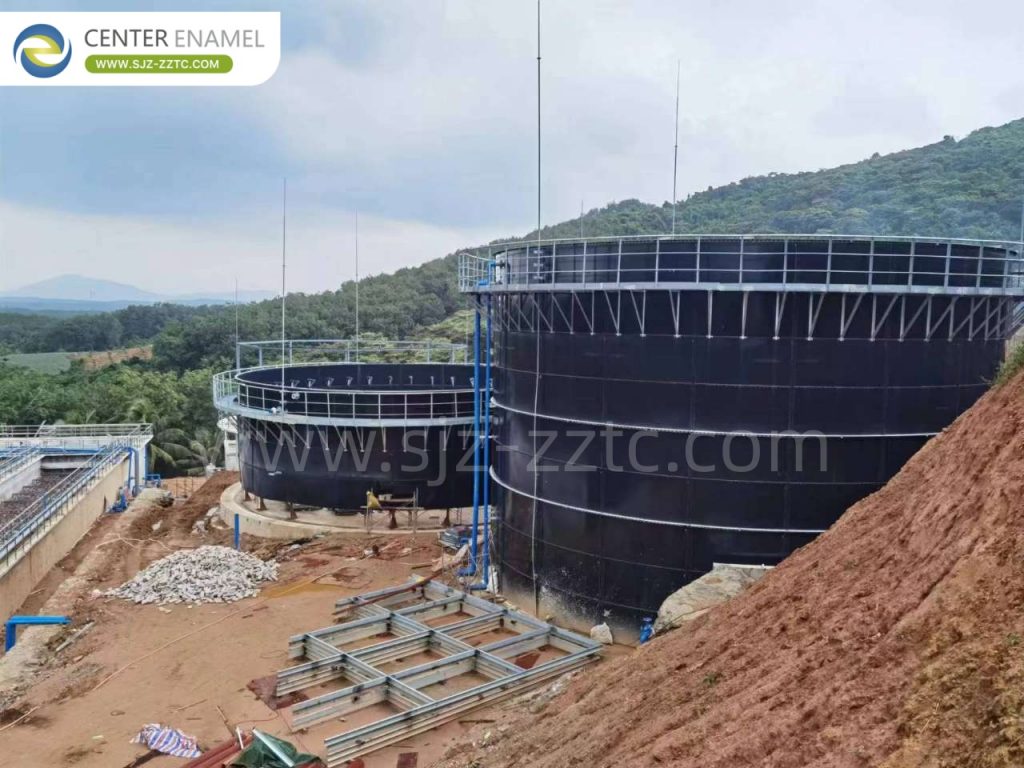
What is Organic Wastewater?
Organic wastewater is characterized by a high content of organic pollutants, which can include proteins, carbohydrates, fats, and a wide range of synthetic chemicals. These pollutants are often measured using parameters such as Biochemical Oxygen Demand (BOD) and Chemical Oxygen Demand (COD), which indicate the amount of oxygen required to break down the organic matter biologically or chemically.
While many organic compounds are biodegradable, some, known as persistent organic pollutants (POPs), are highly resistant to natural degradation. These include compounds like polychlorinated biphenyls (PCBs), dioxins, and certain pesticides, which are often toxic and bioaccumulate in the environment. The sources of organic wastewater are diverse, ranging from food processing plants and slaughterhouses to municipal sewage and pulp mills.
Key Sources of Organic Wastewater
Industrial Sources
Industrial activities are primary contributors to organic wastewater. The food and beverage industry is a major source, generating effluent containing dissolved sugars, proteins, and fats. Similarly, the pulp and paper industry produces wastewater with fiber residue and various process chemicals. Other significant industrial sources include tanneries, textile mills, and pharmaceutical manufacturing.
Agricultural and Domestic Sources
Agricultural runoff and animal waste are substantial sources of organic pollutants like nitrogen and phosphorus, which can cause eutrophication. Municipal sewage, a major source of organic matter, is also a significant contributor to the overall organic load in wastewater treatment systems.
Treatment Methods for Organic Wastewater
Biological Treatment
Biological treatment is the most common and cost-effective method for removing biodegradable organic matter from wastewater. This process leverages microorganisms—such as bacteria, fungi, and protozoa—to consume organic pollutants as food, converting them into water, carbon dioxide, and new cell biomass.
Aerobic Treatment is a primary biological process where microorganisms break down organic matter in the presence of dissolved oxygen. This is commonly achieved using systems like the activated sludge process (ASP), where microbe-rich sludge is mixed and aerated with wastewater. Aerobic systems are typically used when the COD concentration is below 1000 mg/L. The process is efficient and can be implemented in both suspended-growth and attached-growth (biofilm) systems.
Anaerobic Treatment, on the other hand, occurs in the absence of oxygen. Anaerobic microorganisms decompose organic matter, producing biogas (mainly methane and carbon dioxide) as a byproduct. This process is particularly suitable for treating high-strength organic wastewater with high COD loads. Upflow Anaerobic Sludge Blanket (UASB) reactors and anaerobic digesters are common examples, often used in industries like food processing and for treating sludge. In an anaerobic digester, the organic material is broken down in a sealed, oxygen-free tank, which is a key application for GFS tanks.
Advanced and Emerging Technologies
While biological processes are the backbone of wastewater treatment, advanced methods are employed to address recalcitrant or toxic organic pollutants.
Membrane Bioreactors (MBR) combine biological treatment with membrane filtration, producing high-quality effluent suitable for reuse. MBR systems are highly effective at removing suspended solids and a wide range of organic compounds.
Photocatalytic Degradation is an emerging technology utilizing nanomaterials like TiO₂/ZrO₂/ZnO@MoS₂ nanocomposites to break down organic dyes and other pollutants under light irradiation. This advanced oxidation process is effective for degrading persistent pollutants that are resistant to conventional biological treatment.
Adsorption and Chemical Processes: Activated carbon is widely used to remove polar organic substances and other organic micro-pollutants from wastewater. Other advanced methods, such as electrokinetic separation, are also being explored for treating challenging wastewater streams.
The Role of Infrastructure: GFS Tanks in Wastewater Treatment
The effectiveness of any treatment process depends significantly on the integrity and durability of the storage and treatment infrastructure. Glass-Fused-to-Steel (GFS) tanks have emerged as a leading solution for various wastewater applications due to their superior properties.
GFS tanks are constructed by fusing a glass enamel coating to steel panels at temperatures of approximately 850°C. This process creates an inert, non-porous bond, combining the mechanical strength of steel with the exceptional corrosion and chemical resistance of glass.
Advantages of GFS Tanks
Exceptional Corrosion Resistance: Wastewater and sewage environments are highly corrosive, containing acids, alkalis, and abrasive solids. The glass coating on GFS tanks provides a robust, impermeable barrier against these aggressive elements, preventing rust, pitting, and deterioration that plague traditional materials like carbon steel or concrete.
Longevity and Low Maintenance: GFS tanks are renowned for their durability and long service life, often exceeding 30 years. The hard, smooth surface resists bacterial growth, is easy to clean, and significantly reduces maintenance requirements over its lifecycle.
Design Flexibility and Rapid Installation: The modular design of GFS tanks allows for fast and safe on-site assembly without the need for heavy welding. This bolted panel system also facilitates future expansion or relocation, offering significant operational flexibility.
Versatile Applications: GFS tanks are ideal for a wide range of wastewater applications. They are used extensively as aeration tanks, equalization basins, sludge storage tanks, and anaerobic digesters in both industrial and municipal systems. Their gas-tight structure makes them particularly well-suited for biogas collection in anaerobic digestion processes.
In real-world projects, GFS tanks have proven to be a cost-effective and durable alternative to concrete or zinc-aluminum coated tanks, providing significant advantages in price, installation time, and performance.
Conclusion
Effective treatment of organic wastewater is essential for protecting water resources and public health. A combination of primary physical separation, robust biological processes like activated sludge and anaerobic digestion, and advanced polishing technologies forms the basis of modern treatment. Critical to the success and sustainability of these systems is the infrastructure used, with Glass-Fused-to-Steel tanks offering an unmatched combination of durability, corrosion resistance, and cost-effectiveness. As environmental standards become stricter, GFS tanks will continue to play a pivotal role in ensuring the safe and reliable management of organic wastewater.
FAQ
Q1: What is organic wastewater, and why is it a problem?
Organic wastewater is water that contains high levels of organic matter from sources like industry, agriculture, and sewage. Its main environmental threat is that decomposing organic matter depletes dissolved oxygen in water bodies, harming aquatic life. It can also contain toxic or persistent pollutants.
Q2: What are the most common ways to treat organic wastewater?
The most common methods are biological processes. Aerobic treatment uses oxygen to help microorganisms break down organic matter quickly, often in systems like activated sludge. Anaerobic treatment breaks down waste without oxygen, producing biogas, and is ideal for high-strength wastewater.
Q3: What are GFS tanks, and why are they used in wastewater treatment?
Glass-Fused-to-Steel (GFS) tanks are storage tanks made of steel panels with a glass coating fused to them at high temperatures. They are used because this coating provides superior resistance to corrosion and abrasion from chemicals and solids in wastewater, ensuring a long service life and low maintenance.