
CSTR Reactor for Anaerobic Digestion: Working Principle, Components, and Applications
A CSTR (Continuous Stirred Tank Reactor) is a commonly used reactor in anaerobic digestion systems. It is designed to process organic materials under oxygen-free conditions, allowing microorganisms to break down biodegradable matter and produce biogas.
A CSTR reactor typically consists of a sealed tank equipped with a mixing system and other auxiliary equipment. Continuous or regular mixing helps distribute organic materials, microorganisms, and nutrients throughout the reactor.
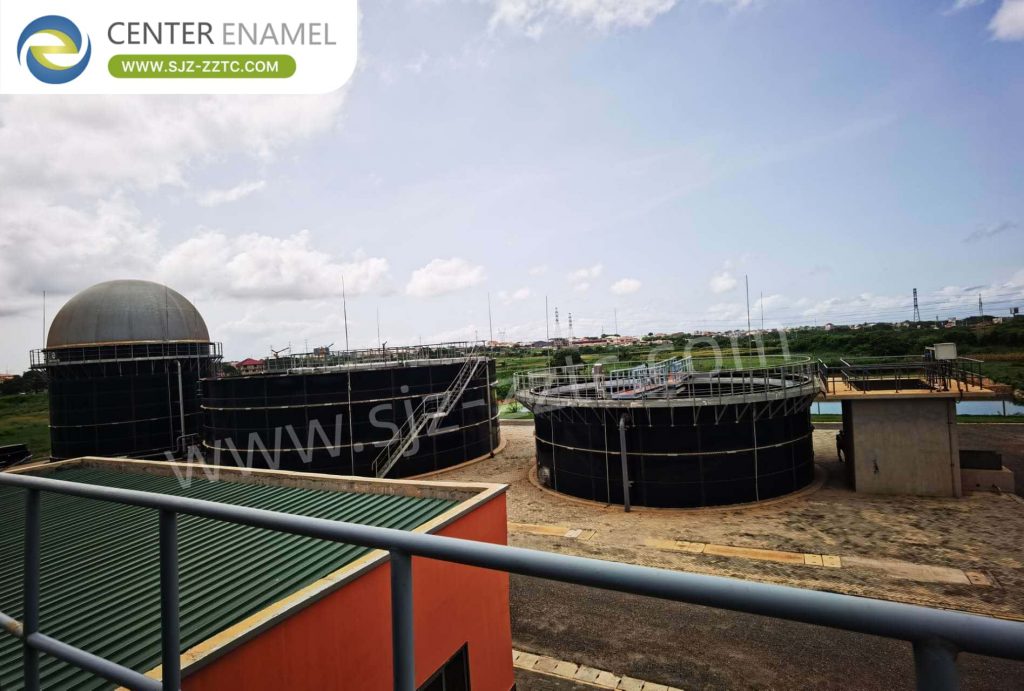
During anaerobic digestion, organic matter is converted into biogas, which mainly contains methane and carbon dioxide, while the remaining material forms digestate.
CSTR technology is widely used in agricultural biogas projects, organic waste treatment plants, livestock manure treatment, and industrial wastewater treatment.
How Does a CSTR Reactor Work?
The working principle of a CSTR reactor is based on anaerobic digestion and continuous mixing.
The process generally involves the following stages:
Feedstock feeding: Organic materials such as food waste, livestock manure, and agricultural residues enter the reactor through a feeding system.
Mixing: Mechanical or hydraulic agitators mix the materials to maintain relatively uniform conditions inside the tank.
Anaerobic digestion: Microorganisms break down organic matter in an oxygen-free environment.
Biogas production: The digestion process generates biogas, which is collected through a gas handling system.
Digestate discharge: The remaining digested material is discharged for further treatment, storage, or resource utilization.
The mixing system plays an important role in maintaining contact between microorganisms and organic substrates, supporting stable digestion conditions.
Main Structure of a CSTR Reactor
A CSTR reactor is generally constructed as a sealed cylindrical tank designed to provide a controlled environment for anaerobic digestion.
Its main structural features include:
Reactor tank body: Provides the enclosed space for organic material digestion.
Tank roof: Covers the reactor and helps contain the generated biogas.
Mixing equipment: Maintains material circulation and reduces uneven accumulation inside the tank.
Feeding and discharge connections: Allow organic feedstock to enter and digestate to leave the reactor.
Insulation structure: Helps maintain the required operating temperature.
Auxiliary equipment: Supports pumping, heating, corrosion protection, and biogas treatment.
The reactor shown in the image is a CSTR tank with an integrated mixing arrangement and supporting systems.
Mixing System: Mechanical and Hydraulic Agitators
The mixing system is one of the most important parts of a CSTR or anaerobic digestion tank.
Without sufficient mixing, organic materials may settle at the bottom or form floating layers on the surface. These conditions can reduce effective reactor volume and interfere with digestion performance.
Two common mixing options are mechanical agitators and hydraulic agitators.
Mechanical Agitator
A mechanical agitator uses a motor-driven shaft and mixing components to move and circulate the material inside the reactor. It helps improve material distribution and reduce sediment accumulation.
Hydraulic Agitator
A hydraulic mixing system uses pumped liquid circulation to create movement within the reactor. It can help improve material circulation and mixing without relying entirely on conventional mechanical stirring equipment.
The appropriate mixing configuration depends on feedstock characteristics, tank dimensions, viscosity, and engineering requirements.
Pumping System
The pumping system is responsible for transferring organic materials, liquids, and digestate between different parts of the anaerobic digestion plant.
Depending on the project design, pumps may be used for:
Feeding organic materials into the reactor.
Transferring liquids between process units.
Supporting hydraulic mixing and circulation.
Discharging digestate from the tank.
Proper pump selection is important because anaerobic digestion materials may contain suspended solids, fibers, and other substances that affect flow characteristics.
The pumping system should therefore be selected according to material composition, flow rate, pressure requirements, and operating conditions.
Insulation System
Temperature stability is essential for the biological activity of anaerobic microorganisms.
An insulation system helps reduce heat loss from the CSTR tank and maintain a relatively stable internal temperature.
Its main functions include:
Reducing heat loss through the tank walls and roof.
Improving energy efficiency.
Supporting stable anaerobic digestion conditions.
Reducing the impact of external temperature fluctuations.
The insulation material and thickness should be determined according to local climate conditions, reactor operating temperature, and engineering design.
Cathodic Protection System
The cathodic protection system is used to help protect suitable metallic components from corrosion.
In anaerobic digestion projects, corrosion protection is important because tanks and associated equipment may be exposed to moisture, corrosive gases, and chemical substances.
Cathodic protection works by controlling the electrochemical reactions responsible for metal corrosion.
Depending on the tank material and design, suitable protection methods may include sacrificial anode systems or impressed current systems.
The protection method should be selected according to the tank structure, material, and environmental conditions.
Heating System
The heating system helps maintain the temperature required for anaerobic digestion.
Microorganisms involved in the digestion process are sensitive to temperature changes. Insufficient heating or significant temperature fluctuations may affect their biological activity and reduce process stability.
Common heating arrangements may include external heat exchangers, internal heating pipes, or other circulation-based heating equipment.
The main functions of the heating system include:
Maintaining the required digestion temperature.
Compensating for heat losses.
Supporting microbial activity.
Improving temperature stability throughout the reactor.
The heating capacity should be designed based on reactor volume, feedstock temperature, operating conditions, and local climate.
Biogas Purification System
Biogas generated inside a CSTR reactor generally contains methane, carbon dioxide, water vapor, and potentially hydrogen sulfide and other impurities.
A biogas purification system removes selected impurities to improve gas quality and protect downstream equipment.
Depending on the intended application, treatment processes may include:
Desulfurization: Removes hydrogen sulfide from biogas.
Dehumidification: Reduces moisture content.
Gas filtration: Removes certain particles and contaminants.
Further gas upgrading: Separates carbon dioxide to increase methane concentration when biomethane is required.
After appropriate treatment, biogas can be used for heating, electricity generation, or further upgrading, depending on its quality and project requirements.
Main Auxiliary Equipment of a CSTR System
A complete CSTR anaerobic digestion system requires several auxiliary components to support stable operation.
| Equipment | Main Function | Application |
| Mechanical Agitator | Mechanically mixes reactor contents | Material circulation |
| Hydraulic Agitator | Uses liquid circulation for mixing | Hydraulic mixing |
| Pumping System | Transfers feedstock and liquids | Feeding and circulation |
| Insulation System | Reduces heat loss | Temperature maintenance |
| Cathodic Protection | Helps prevent metal corrosion | Tank protection |
| Heating System | Supplies heat to the reactor | Temperature control |
| Biogas Purification System | Removes selected gas impurities | Biogas treatment |
These systems can be configured according to project requirements, feedstock characteristics, and operating conditions.
Applications of CSTR Reactors
CSTR reactors are suitable for various anaerobic digestion projects involving biodegradable organic materials.
Common applications include:
Agricultural Waste Treatment: Processes livestock manure, crop residues, and other agricultural organic waste.
Food Waste Treatment: Handles biodegradable food scraps and organic residues from restaurants, commercial kitchens, and food processing facilities.
Industrial Wastewater Treatment: Treats suitable wastewater streams containing biodegradable organic matter.
Municipal Organic Waste Management: Supports the treatment of separately collected biodegradable municipal waste.
Biogas Production Plants: Converts organic materials into renewable biogas for energy recovery.
The final reactor configuration depends on feedstock properties, organic loading, solids content, required treatment capacity, and the intended use of the produced biogas.
Advantages of CSTR Anaerobic Digestion Systems
CSTR technology offers several benefits for organic waste treatment and renewable energy production.
Uniform mixing: Helps maintain contact between microorganisms and organic materials.
Flexible feedstock options: Can process various biodegradable organic materials when properly designed.
Biogas recovery: Converts organic matter into a usable energy resource.
Controlled operating conditions: Integrated heating and insulation systems help maintain suitable digestion conditions.
Integrated equipment configuration: Mixing, pumping, heating, and gas treatment systems work together to support reactor operation.
Resource utilization: Digestate and biogas can be directed toward further treatment and potential resource recovery.
Frequently Asked Questions
FAQ 1: What is the main function of a CSTR reactor?
The main function of a CSTR reactor is to provide a controlled environment for anaerobic digestion. It allows microorganisms to break down biodegradable organic matter and produce biogas through continuous or regular mixing.
FAQ 2: Why does a CSTR reactor need a mixing system?
A mixing system helps distribute organic materials and microorganisms throughout the reactor. It also reduces sedimentation and floating-layer formation, supporting more stable digestion conditions.
FAQ 3: What auxiliary equipment is required for a CSTR biogas plant?
Common auxiliary equipment includes mechanical or hydraulic agitators, pumping systems, insulation systems, cathodic protection, heating systems, and biogas purification systems. The exact configuration depends on the project design and operating requirements.
Conclusion
A CSTR reactor is an important piece of equipment in modern anaerobic digestion and biogas production systems. Its sealed tank structure and integrated mixing system provide suitable conditions for microorganisms to convert biodegradable organic materials into biogas.
In addition to the reactor itself, auxiliary systems such as mechanical or hydraulic agitators, pumps, insulation, cathodic protection, heating, and biogas purification equipment are essential for supporting reliable operation.
By selecting the appropriate reactor configuration and auxiliary equipment, project developers can build an efficient anaerobic digestion system for organic waste treatment and renewable energy recovery.