
Organic Waste Treatment: Turning Discarded Resources into Environmental Solutions
Organic waste represents one of the most significant yet underutilized fractions of the modern waste stream. In the United States alone, food waste and other organic materials constitute over half of what ends up in municipal solid waste landfills, where they decompose anaerobically to produce methane-a greenhouse gas far more potent than carbon dioxide in the short term. Organic waste treatment offers a critical alternative, converting these materials from environmental liabilities into renewable energy, soil amendments, and agricultural inputs. This article explores the primary treatment pathways, their operational principles, environmental benefits, and the practical considerations that determine which approach suits different contexts.
Understanding the Scope of Organic Waste
Organic waste encompasses a broad range of biodegradable materials generated across residential, commercial, and industrial sectors. Food scraps from households and restaurants, yard trimmings, agricultural residues, food processing byproducts, and sewage sludge all fall within this category. The common thread is their biological origin and their capacity to be broken down by microorganisms under controlled conditions.
The urgency of proper organic waste treatment stems from what happens when these materials are simply buried. In a landfill, organic matter is compacted and deprived of oxygen, creating anaerobic conditions. Bacteria break down the material through a different metabolic pathway than they would in the open air, producing methane as a byproduct. Municipal solid waste landfills rank as the third-largest source of human-related methane emissions in the United States, accounting for approximately fourteen percent of the national total. Capturing the resource value of organic waste before it reaches a landfill avoids this emission pathway entirely while producing useful products in the process.
Composting: Aerobic Decomposition for Soil Health
Composting is the controlled aerobic decomposition of organic materials, a process that harnesses oxygen-loving microorganisms to break down feedstocks into a stable, nutrient-rich soil amendment. The practice operates across scales, from backyard bins to large commercial facilities processing tens of thousands of tons annually.
The fundamental requirements for successful composting are straightforward but demand attention to detail. Microorganisms require a balanced diet of carbon-rich "browns" such as dry leaves, straw, and wood chips, combined with nitrogen-rich "greens" including food scraps and fresh grass clippings. A ratio of roughly three parts browns to one part greens by volume provides the carbon-to-nitrogen balance that supports efficient microbial activity. Equally important are moisture and oxygen. Compost piles must be kept damp but not saturated, and periodic turning or forced aeration ensures that oxygen reaches the entire mass. When these conditions are met, the pile heats up naturally, with temperatures exceeding fifty-five degrees Celsius for several consecutive days sufficient to kill pathogens and weed seeds.
The finished product-finished compost-is a dark, crumbly material that improves soil structure, increases water retention, and supplies plant nutrients in a slow-release form. Its applications extend well beyond backyard gardens. Compost supports stormwater management, aids in ecosystem restoration, and reduces reliance on synthetic fertilizers in agriculture.
Anaerobic Digestion: Capturing Energy from Waste
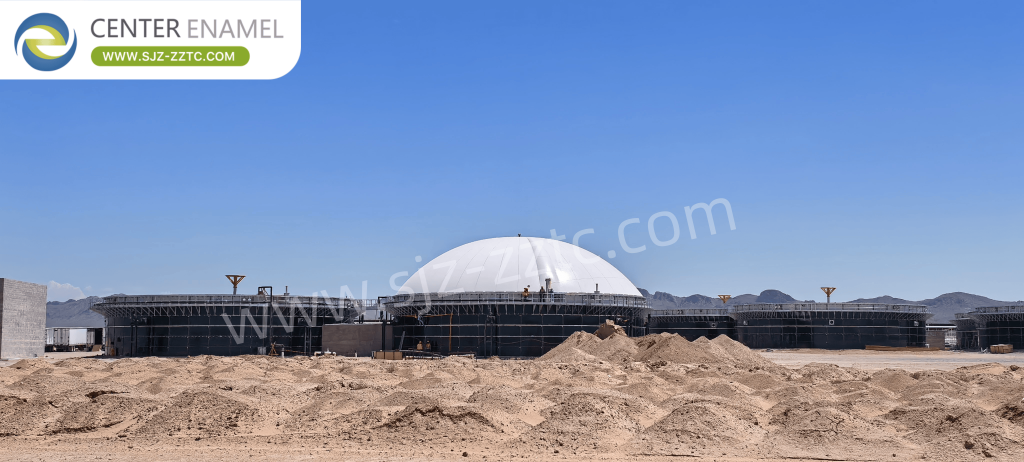
While composting prioritizes material recovery, anaerobic digestion excels at energy recovery. This process takes place in sealed, oxygen-free vessels where a consortium of bacteria breaks down organic matter through a series of metabolic stages: hydrolysis, acidogenesis, acetogenesis, and methanogenesis. The result is biogas-a mixture primarily of methane and carbon dioxide-along with a nutrient-rich liquid and solid residue called digestate.
Anaerobic digestion offers distinct advantages for certain waste streams. It handles wet organic materials that would bog down a compost pile, including food processing waste, animal manure, and sewage sludge. The process occurs in a contained environment, allowing for the capture and utilization of biogas rather than its release to the atmosphere. Biogas can be combusted directly for heat and electricity, upgraded to renewable natural gas for pipeline injection, or refined into transportation fuel. The digestate, meanwhile, contains nitrogen, phosphorus, and potassium in forms readily available to plants, making it a valuable fertilizer and soil conditioner.
The technology has gained significant traction globally. China, for instance, experienced an annual average growth rate of 6.3 percent in its biogas industry between 2010 and 2015, driven by active integration of anaerobic digestion into municipal waste management programs. In Europe and North America, co-digestion-the practice of combining food waste with sewage sludge or manure in existing digesters-has emerged as a cost-effective strategy for expanding capacity without building entirely new facilities.
Comparing Treatment Pathways: A Decision Framework
No single treatment method is universally optimal. The choice between composting, anaerobic digestion, and other approaches depends on waste composition, local infrastructure, economic conditions, and the intended use of end products. The following table summarizes key characteristics of the two dominant biological treatment pathways.
| Consideration | Composting | Anaerobic Digestion |
| Oxygen requirement | Requires active aeration | Operates in sealed, oxygen-free environment |
| Primary product | Finished compost for soil amendment | Biogas for energy; digestate for fertilizer |
| Best-suited feedstocks | Yard trimmings, food scraps, crop residues | Wet food waste, manure, sewage sludge, food processing waste |
| Greenhouse gas profile | Avoids landfill methane; minor emissions during processing | Captures methane for energy use; prevents fugitive emissions |
| Operational complexity | Moderate; requires consistent pile management | Higher; requires precise process control and monitoring |
| Typical scale | Backyard to large commercial facilities | Farm-scale to large industrial facilities |
For communities and businesses evaluating their options, a combination of approaches often proves most effective. Composting handles yard waste and food scraps that are relatively dry and well-suited to aerobic processing. Anaerobic digestion captures energy from wetter, higher-moisture streams that would create anaerobic conditions in a compost pile anyway. Some modern facilities integrate both processes, using anaerobic digestion for energy recovery and composting for digestate stabilization and finishing.
Environmental Benefits Beyond Waste Diversion
The environmental case for organic waste treatment extends well beyond keeping materials out of landfills. When compost is applied to soil, it sequesters carbon, improves water infiltration, and reduces erosion. The organic matter in compost feeds soil microbial communities that are essential for nutrient cycling and plant health. These benefits compound over time, building soil resilience against drought and extreme weather.
Anaerobic digestion contributes to climate mitigation on two fronts. First, it prevents the uncontrolled release of methane from organic materials that would otherwise decompose in landfills or open dumps. Second, the biogas produced displaces fossil fuels when used for electricity generation, heating, or transportation. The digestate returns nutrients to agricultural lands, reducing dependence on energy-intensive synthetic fertilizers.
Economic benefits also accrue to communities that invest in organic waste treatment infrastructure. Research from the Institute for Local Self-Reliance indicates that composting operations support more jobs per ton of material processed than landfills or incinerators. Anaerobic digestion facilities create skilled positions in operations, maintenance, and laboratory analysis. The revenue from energy sales and compost or digestate products can help offset operating costs, though smaller facilities often struggle to achieve the economies of scale that larger operations enjoy.
Practical Challenges and Emerging Solutions
Despite the clear benefits, scaling organic waste treatment faces persistent hurdles. Contamination of feedstock streams with plastics, glass, and other non-organic materials remains one of the most significant operational challenges. A single load of food waste containing plastic bags or packaging can degrade compost quality or disrupt digester biology. Communities with successful programs invest heavily in public education, clear labeling, and enforcement mechanisms to keep contamination rates low. Leading curbside programs achieve contamination rates of four to six percent, while the national average hovers between eight and fourteen percent.
Permitting and siting present another barrier. Composting facilities, even well-run ones, can generate odors and truck traffic that provoke neighborhood opposition. A proposed facility in Solano County, California, spent seven years in the permitting process before ultimately being denied in 2024 due to community concerns, despite meeting state environmental standards. Streamlined permitting pathways and better odor control technologies-including enclosed vessels and biofilters-are helping to address these tensions, but the challenge remains real.
Policy is gradually shifting to support organic waste diversion. Twelve states have implemented mandatory organics collection or landfill bans for organic materials, creating consistent feedstock supplies that justify infrastructure investment. California leads the nation in composting capacity, with nearly half of all full-scale food waste composting facilities operating within the state as of 2023. Extended producer responsibility frameworks and standardized compostable labeling requirements are expected to further reduce contamination and improve feedstock quality.
The Future of Organic Waste Treatment
Several trends are shaping the next decade of organic waste management. The integration of anaerobic digestion with existing wastewater treatment infrastructure offers a capital-efficient pathway for expanding capacity. By adding food waste to digesters already processing sewage sludge, municipalities can increase biogas production with minimal new construction. DC Water's Blue Plains facility in Washington, D.C., began accepting one hundred tons per day of source-separated food waste for co-digestion in 2024, exemplifying this approach.
Technological improvements in sorting and preprocessing are also making a difference. AI-powered optical sorting systems can remove contaminants from organic streams with ninety-five to ninety-eight percent accuracy at high throughput rates, reducing the burden on downstream biological processes. On the policy side, the introduction of a national organics landfill ban for large generators in the United States-proposed in 2025-signals a directional shift toward mandatory diversion, even if the rulemaking process will take years to complete.
| Trend | Description | Expected Impact |
| Co-digestion at wastewater plants | Adding food waste to existing sludge digesters | Lower capital costs; increased biogas yield |
| AI-powered contamination removal | Automated sorting before biological processing | Higher product quality; reduced operational disruptions |
| Extended producer responsibility | Shifting packaging waste costs to producers | Better feedstock quality; reduced contamination |
| Mandatory organics diversion | Landfill bans and collection mandates | Consistent feedstock supply; infrastructure investment |
Conclusion
Organic waste treatment transforms a persistent environmental problem into a suite of solutions. Composting returns nutrients and carbon to the soil, building the foundation for healthier food systems and more resilient landscapes. Anaerobic digestion captures the energy embedded in discarded food and manure, converting it into biogas that can power homes and vehicles while producing fertilizer for farms. Neither technology is a silver bullet, and both require thoughtful planning, consistent feedstock quality, and community support to succeed. But as landfill space diminishes, climate targets tighten, and the true cost of wasting resources becomes clearer, the treatment of organic waste moves from optional to essential. The infrastructure, policy frameworks, and operational knowledge already exist. What remains is the collective will to scale them.
Frequently Asked Questions
What is the difference between composting and anaerobic digestion?
Composting breaks down organic materials in the presence of oxygen, producing a soil amendment. Anaerobic digestion occurs without oxygen in a sealed vessel, producing biogas for energy and a liquid digestate for fertilizer. Composting suits drier materials like yard waste; anaerobic digestion handles wetter feedstocks like food waste and manure.
Does organic waste treatment actually reduce greenhouse gas emissions?
Yes. When organic waste decomposes in a landfill, it generates methane, a potent greenhouse gas. Composting and anaerobic digestion prevent that methane from escaping into the atmosphere. Anaerobic digestion goes further by capturing the methane as biogas and using it to displace fossil fuels.
Can I compost meat and dairy products at home?
Generally, no. Home compost piles typically do not reach temperatures high enough to kill pathogens that may be present in meat and dairy products. Large commercial composting facilities with controlled aeration and temperature monitoring can safely process these materials, but backyard bins should stick to fruit and vegetable scraps, yard trimmings, and plant-based materials.