
What Is a Compost Container? The Essential Guide to Choosing and Using the Right Bin
A compost container is any vessel used to hold and manage organic waste as it breaks down into nutrient-rich material or, in some cases, renewable energy. While the definition seems simple, the range of containers available today is vast-from simple kitchen countertop caddies to complex, airtight systems designed for biogas production.
Understanding what a compost container can do is the first step to reducing your environmental footprint. Whether your goal is to create rich soil for your garden or capture methane for cooking fuel, the right container makes all the difference. Composting success starts with the right tools .
The Difference Between a Compost Container and a Compost Pile
Before diving into the types of containers, it is important to distinguish between an open pile and a contained system. A traditional compost pile is simply a heap of organic matter left in the yard. It requires a lot of space and often attracts pests.
A compost container, conversely, is a dedicated unit that encloses the waste. Containers offer significant advantages:
Pest Control: A sealed or lidded container keeps rodents, raccoons, and flies out .
Aesthetics: It looks neater than an open pile and often contains odors.
Process Control: Containers help regulate moisture, temperature, and aeration, leading to faster and more consistent results.
In short, a container is not just about holding waste; it’s about managing the decomposition process efficiently.
Types of Compost Containers for Home Use
Choosing the right container depends on your space, the amount of waste you produce, and your maintenance commitment. Here are the most common types available for home composting .
1. Kitchen Caddies (Countertop Bins)
These are small containers designed to collect daily kitchen scraps before you transfer them to an outdoor bin. They are essential for convenience.
Pros: Compact, often include charcoal filters to reduce odors, and are dishwasher-safe.
Cons: Require frequent emptying (every 2-3 days) to prevent fruit flies and mold. Choose a size based on how often you cook .
2. Outdoor Bins (Stationary)
These are the most common backyard composters. They are typically made of recycled plastic, sit directly on the ground, and allow worms and microbes to enter from the soil.
Pros: High capacity, affordable, and good for steady, passive composting.
Cons: Turning the pile requires manual labor with a pitchfork, and harvesting finished compost can be awkward if the bin lacks a bottom door .
3. Tumblers
These are barrels mounted on an axle that allows you to spin or roll the container to mix the contents.
Pros: Speed up the composting process; ease of turning ensures good aeration; easier to harvest.
Cons: Smaller capacity than stationary bins; can dry out quickly in direct sun; may be expensive .
4. Worm Bins (Vermicomposting)
These containers house specific worms (red wigglers) that eat food scraps and produce worm castings (high-quality compost).
Pros: Great for small spaces (apartments); produces excellent fertilizer; handles kitchen scraps very well.
Cons: Temperature-sensitive; cannot handle yard waste; requires careful management of bedding and feeding .
5. Bokashi Buckets
This is an anaerobic composting system. You layer food scraps (including meat and dairy, which are usually excluded from other methods) in an airtight bucket and sprinkle with inoculated bran.
Pros: Compact; ferments quickly (2 weeks); handles all food waste.
Cons: The process produces a liquid that must be drained; the final product is not "compost" yet and must be buried in the soil to finish breaking down .
Key Features to Look For in a Compost Container
When selecting a container, consider these critical features to ensure a hassle-free experience:
Aeration: Look for ventilation holes or turning mechanisms. Without oxygen, a compost pile can turn anaerobic, leading to foul odors and the production of methane rather than CO2 .
Accessibility: A bin with a large opening for adding material and a door or hatch at the bottom for removing finished compost is significantly easier to use than a top-loading only model .
Material:
Plastic: Lightweight and affordable, but ensure it is UV-stabilized to prevent cracking .
Metal (Galvanized Steel): Durable and retains heat well, but watch for rust over time .
Wood: Aesthetically pleasing, but can rot and may require maintenance.
Pest-Proofing: A snug-fitting lid and fine mesh over air holes are essential to keep rodents and flies out .
The Role of Compost Containers in Biogas Projects
Compost containers are not just for making soil. They are the foundational hardware for small-scale and industrial biogas production.
While traditional composting relies on oxygen (aerobic), biogas relies on an anaerobic (oxygen-free) environment. Therefore, the container used for biogas must be sealed airtight to capture methane gas.
Sealed Containers for Anaerobic Digestion
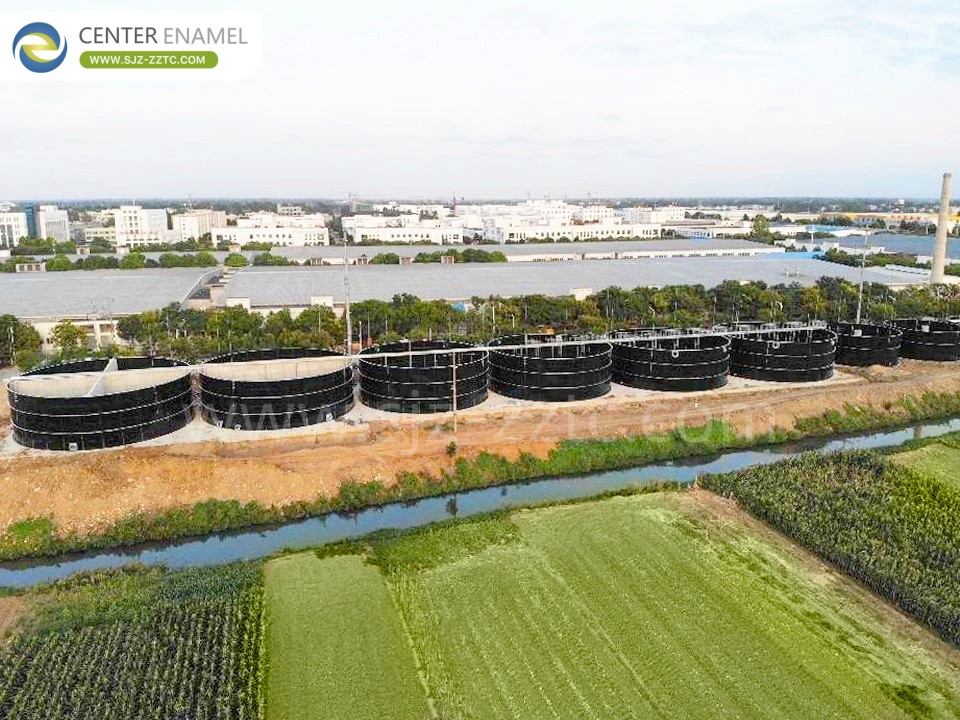
The most critical aspect of a biogas container is its ability to maintain an anaerobic environment. A standard garden bin with holes will not work for biogas. Instead, systems like the "Blue Barrel" or specialized digesters are used. These act as "closed containers" where organic waste ferments, producing gas that can be captured and stored .
A patent for biogas production describes a method where a single closed container is used for chronological treatment. First, the biomass is fermented in an anaerobic process to produce biogas. Later, the process is switched to aerobic by introducing air into the same container to create compost . This demonstrates the dual-purpose potential of a well-designed container.
Practical Applications
In a school project, students successfully used a self-built compost container to produce methane from food waste, demonstrating that even simple containers, when sealed correctly, can generate energy .
Similarly, research on tiny houses has shown that a "compost collection basin" can generate enough biogas to power a stove. The design involved a chute leading to an outdoor sealed tank, emphasizing that safety and containment are paramount in biogas container design to prevent gas leaks .
A Comparison of Container Types
To help you decide, here is a summary table comparing standard compost containers to those suitable for biogas projects.
| Feature | Standard Compost Bin (Aerobic) | Biogas Digester Container (Anaerobic) |
| Primary Goal | Produce nutrient-rich soil (Compost). | Produce renewable energy (Methane/Biogas) . |
| Environment | Requires Oxygen (Aerobic). | Oxygen-Free (Anaerobic) . |
| Container Seal | Ventilated/lidded (not airtight). | Completely Airtight/Sealed to retain gas. |
| Common Types | Tumblers, wire cages, plastic bins. | Blue Barrels, plug-flow digesters, AnMBR systems . |
| Byproducts | Solid compost. | Biogas (energy) and Digestate (liquid fertilizer) . |
| Venting/Release | Releases CO2 and heat. | Captures CH4 (Methane) for use in stoves or engines. |
| Typical Cost | Low ($0 - $200). | Higher ($200+) due to engineering complexity and seals . |
How to Choose the Right Container for Your Needs
1. For Garden Soil
If you have a yard and want to enrich your soil, choose a Tumbler or a Stationary Outdoor Bin. If space is limited, a Worm Bin is excellent for kitchen scraps .
2. For Energy Production
If you want to produce biogas (for cooking or heat), you need a Biogas Digester. This is a specialized, sealed tank. It is more common on farms or for dedicated projects, though smaller units like the "Blue Barrel" are becoming available for community use .
Conclusion
The question of "what is a compost container" opens the door to understanding the entire lifecycle of organic waste. A compost container is more than a bin; it is a tool for resource recovery. For the gardener, it is a vessel to create life-giving soil. For the environmentalist, it is a method to capture methane and produce clean energy. Whether you choose a simple tumbler for your backyard or a sealed digester for a biogas project, the key is to choose a container that matches your space, your waste, and your ambition. By doing so, you turn waste into a valuable asset, contributing to a sustainable and circular economy.
FAQ: Frequently Asked Questions
1. Can I use a regular compost bin to produce biogas?
No. A regular compost bin is designed to let air in (aerobic). Biogas production requires an airtight, oxygen-free environment (anaerobic). You need a sealed container specifically designed to capture methane gas. Using a regular bin for biogas would result in gas leakage and failure to produce usable fuel .
2. Can the liquid from a compost container be used for plants?
Yes, but with caution. The liquid leachate from a standard aerobic bin is generally not recommended for plants as it may contain pathogens. However, the liquid drained from a Bokashi bucket (anaerobic) or from a biogas digester (called digestate) can be diluted and used as a nutrient-rich liquid fertilizer for gardens and potted plants .
3. What type of container is best for composting meat and dairy?
Standard aerobic bins (like tumblers) struggle with meat and dairy because they attract pests and smell bad. For these materials, you should use a Bokashi Bucket (an anaerobic fermenting system) or a Biogas Digester, which are designed to break down these tougher scraps without attracting rodents .