
What is COD in Wastewater? The Complete Guide to Chemical Oxygen Demand
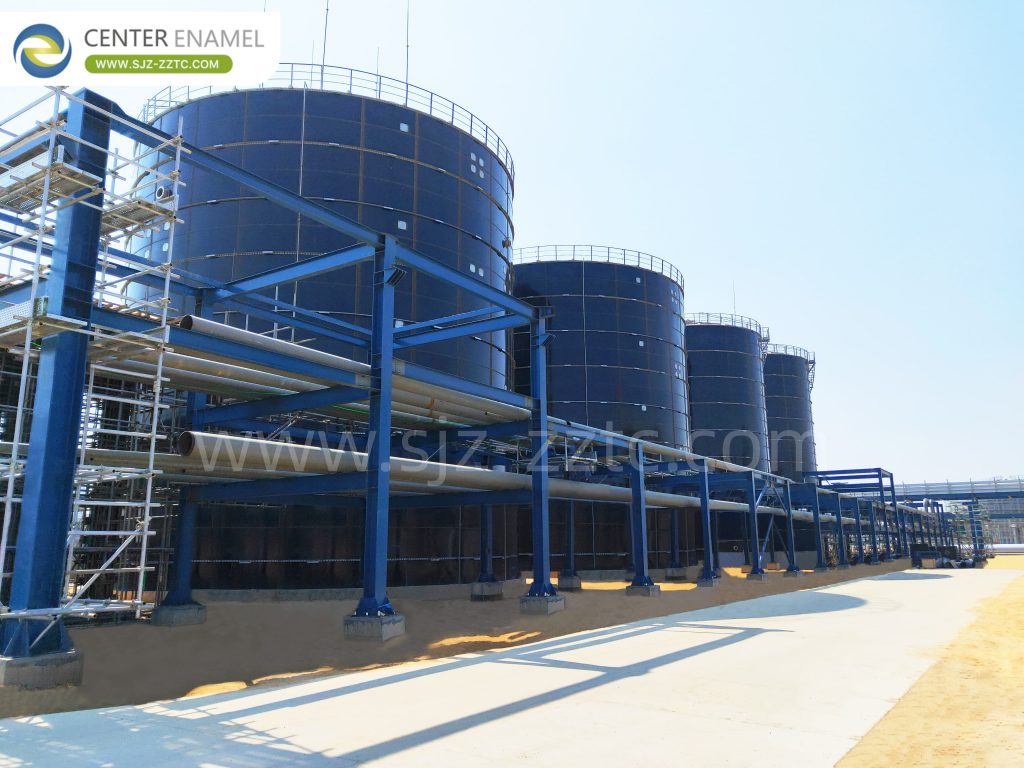
Chemical Oxygen Demand, commonly known as COD, is one of the most critical measurements in wastewater analysis. Simply put, COD is a measure of the oxygen-consuming capacity of inorganic and organic matter present in water or wastewater . It represents the amount of oxygen required to chemically oxidize all oxidizable substances in a water sample .
The COD test uses a strong chemical oxidizing agent-typically potassium dichromate in an acid medium-to break down organic and inorganic compounds . During this reaction, the orange-colored dichromate ions (Cr₂O₇²⁻) are reduced to green trivalent chromium ions (Cr³⁺), and the amount consumed indicates the organic matter concentration . The result is expressed in milligrams of oxygen per liter (mg/L) or parts per million (ppm) .
COD is widely regarded as one of the most valuable water quality parameters because it provides a quick and comprehensive assessment of pollution levels. Unlike other tests that take days to complete, a COD determination can be performed in approximately 3–4 hours . This rapid turnaround makes it an indispensable tool for wastewater treatment facilities that need real-time monitoring of treatment efficiency.
COD vs. BOD: What's the Difference?
While COD measures the oxygen demand of all oxidizable substances, Biochemical Oxygen Demand (BOD) measures only the amount of oxygen consumed by microorganisms during the biological degradation of organic matter over a specific period-typically 5 days (BOD₅) . This distinction is fundamental to understanding wastewater quality.
The key difference lies in what each test measures. COD accounts for both biodegradable and non-biodegradable organic compounds, as well as some inorganic substances . BOD, on the other hand, measures only the biodegradable fraction of organic matter that microorganisms can break down . This means COD values will always be higher than BOD values for the same wastewater sample.
The relationship between these two parameters is often expressed as the BOD/COD ratio, sometimes called the Biodegradability Index. A ratio above 0.6 indicates the wastewater is readily biodegradable and suitable for biological treatment. A ratio between 0.3 and 0.6 suggests the waste requires seeding or additional treatment, while a ratio below 0.3 signals that the wastewater may be toxic or recalcitrant and requires pre-treatment before biological processes can be applied .
Why COD Matters in Wastewater Treatment
COD serves as an essential indicator for assessing the pollution load of wastewater and determining the appropriate treatment strategies. High COD levels indicate significant organic pollution that can deplete dissolved oxygen in receiving waters, harming aquatic life .
For industrial wastewater treatment, COD monitoring is particularly critical. For example, in textile industry wastewater, COD values can reach 1,520 mg/L, requiring significant reduction before discharge . Similarly, beverage production wastewater often contains high soluble organic loads with COD levels fluctuating from 2,000 to over 10,000 mg/L .
Treatment facilities rely on COD measurements for several key purposes:
Assessing influent quality: Determining the organic load entering the plant
Monitoring treatment efficiency: Tracking COD reduction through various treatment stages
Ensuring regulatory compliance: Meeting discharge limits mandated by environmental authorities
Optimizing process control: Adjusting treatment parameters for maximum efficiency
How COD is Measured
The standard method for COD analysis uses potassium dichromate as the oxidant in a strong acid solution with silver sulfate as a catalyst. The sample is digested at 150°C for two hours, after which the remaining dichromate is measured either by titration or spectrophotometry .
The chemical reaction can be represented as:
Organic Matter + Cr₂O₇²⁻ + H⁺ → Cr³⁺ + CO₂ + H₂O
The color change from orange (Cr₂O₇²⁻) to green (Cr³⁺) is proportional to the amount of organic matter oxidized, allowing for quantitative measurement .
Center Enamel: Turnkey Solutions for COD Reduction
As a global leader in wastewater treatment infrastructure with over 36 years of experience, Center Enamel provides comprehensive turnkey solutions for COD reduction across diverse industrial applications. With projects completed in over 100 countries, we understand the unique challenges of treating wastewater with high organic loads.
Advanced Anaerobic Digestion Technology
For high-strength wastewater with elevated COD levels, anaerobic digestion represents one of the most effective treatment approaches. Center Enamel specializes in implementing advanced reactor configurations, including:
CSTR (Completely Stirred Tank Reactor): Ideal for high-solid residues and substrates requiring thorough mixing to prevent scum layer formation and sediment buildup
UASB (Upflow Anaerobic Sludge Blanket): A robust solution for the liquid phase of organic streams, proven across Southeast Asia and beyond
IC Process (Internal Circulation): Utilizes biogas to drive natural circulation, achieving loading rates 3–5 times higher than traditional reactors-perfect for facilities where land is at a premium
These biological processes break down organic contaminants while simultaneously reducing sludge volume and capturing methane for renewable energy recovery .
Superior Containment Infrastructure
The effectiveness of any wastewater treatment project depends on the durability of its containment infrastructure. Center Enamel provides world-class tank solutions engineered for the aggressive conditions of COD reduction:
Glass-Fused-to-Steel (GFS) Tanks: Our flagship product represents the global benchmark for wastewater containment. By fusing glass enamel to steel at over 820°C, we create a molecular bond that is chemically inert and corrosion-resistant across the full pH 1–14 range . This technology is ideal for the acidic and chemically aggressive environments encountered in industrial wastewater treatment.
Epoxy Coated Tanks: Utilizing electrostatic powder coating technology, these tanks provide excellent resistance against industrial detergents and pre-treated effluent, offering a cost-effective solution for auxiliary stages such as equalization and sludge storage .
Double Membrane Roof Systems: For anaerobic digesters, these roofs provide an airtight seal for biogas capture while maintaining consistent internal pressure. The UV-stabilized membranes are chemically resistant and equipped with precision sensors for real-time gas monitoring .
Comprehensive EPC Services
As a full-service EPC Contractor, Center Enamel manages every aspect of your wastewater treatment project:
Customized Design: Tailoring solutions to match specific wastewater characteristics, regional climate conditions, and regulatory requirements
Manufacturing Excellence: Operating Asia's largest GFS tank production base with over 200 enamel patents, ensuring independent supply of all core equipment
Efficient Installation: Utilizing hydraulic jacking technology for top-down assembly that eliminates the need for large cranes or scaffolding, and zero on-site welding to avoid defects in humid conditions
International Quality Standards: All products comply with ISO 28765, AWWA D103, CE, and NSF61 certifications, with every tank undergoing rigorous 1500V high-voltage spark testing
Proven Performance Across Industries
Center Enamel's track record demonstrates our capability to handle challenging COD reduction projects:
Textile Industry: Our turnkey solutions for Indonesia's textile sector addressed wastewater containing vibrant synthetic dyes with COD values of 1,520 mg/L, achieving over 83% reduction through coagulation-flocculation and adsorption processes
Beverage Production: For Thailand's beverage manufacturing hub, we implemented high-rate anaerobic reactors (IC, EGSB, and UASB processes) to manage rapidly fluctuating COD levels from 2,000 to over 10,000 mg/L
Brewing and Papermaking: Our GFS tanks have been deployed in diverse industrial applications, from Sichuan brewing wastewater to Guangxi papermaking effluent
Conclusion
Chemical Oxygen Demand is an essential parameter that provides a rapid, comprehensive measure of organic pollution in wastewater. Understanding COD-its measurement, its relationship to BOD, and its significance for treatment-is fundamental to effective wastewater management.
By adopting proven technologies like anaerobic digestion, leveraging durable GFS Tanks and Epoxy Coated Tanks, and partnering with an experienced EPC Contractor, facilities can achieve significant COD reduction while generating renewable energy and reducing operational costs. Center Enamel stands ready to support your wastewater treatment project, delivering turnkey solutions designed for long-term performance and sustainability.
Frequently Asked Questions (FAQ)
Q1: Why is COD always higher than BOD in wastewater?
A1: COD measures the oxygen demand of all oxidizable substances-both biodegradable and non-biodegradable organic compounds, as well as some inorganic substances. BOD measures only the oxygen consumed by microorganisms during biological degradation of organic matter over a specific period. Since COD captures everything that BOD does plus additional non-biodegradable material, it will always produce a higher value for the same sample .
Q2: How can industries effectively reduce high COD levels in wastewater?
A2: High COD levels can be effectively reduced through a combination of treatment approaches. For industrial wastewater, implementing high-rate anaerobic digestion (such as CSTR, UASB, or IC Process) followed by aerobic polishing is highly effective. Physical-chemical pre-treatment (coagulation-flocculation, adsorption) can also be applied for specific pollutants. Treatment facilities housed in corrosion-resistant GFS Tanks ensure long-term system stability and performance .
Q3: What does the BOD/COD ratio indicate about wastewater treatability?
A3: The BOD/COD ratio serves as a "Biodegradability Index." A ratio above 0.6 indicates the wastewater is readily biodegradable and suitable for biological treatment. A ratio between 0.3 and 0.6 suggests the waste requires seeding or additional treatment. A ratio below 0.3 indicates the wastewater may be toxic or contain persistent compounds that cannot be treated biologically without pre-treatment .